

The Open Heart Festival – when the stage brings people together and differences become wealth

On June 5 and 6, 2026, Veliko Tarnovo was once again filled with music, colors and children’s voices. The twenty-first edition of the Children’s Roma Festival “Open Heart”, organized by the Amalipe Center and the Municipality of Veliko Tarnovo, brought together nearly 1,500 participants from 75 schools across the country – students, teachers, educational mediators, parents and friends of the cause for equal access to education, intercultural dialogue and active civic participation. During the two festival days, Marno Pole Park became a place filled with music, dance, creativity and meetings between children and young people from different communities. Dozens of groups from all over the country presented songs, dances, customs and artistic performances, turning the festival stage into a true celebration of cultural diversity.
This year, Roma culture was present as a natural part of the rich palette of the festival, alongside Bulgarian traditions and the cultural heritage of the different communities. It is this diversity, which does not divide, but brings together, that is one of the reasons why “Open Heart” has established itself as one of the most recognizable and sustainable events dedicated to intercultural dialogue and educational integration.
A colorful festival program that brings together cultures and generations
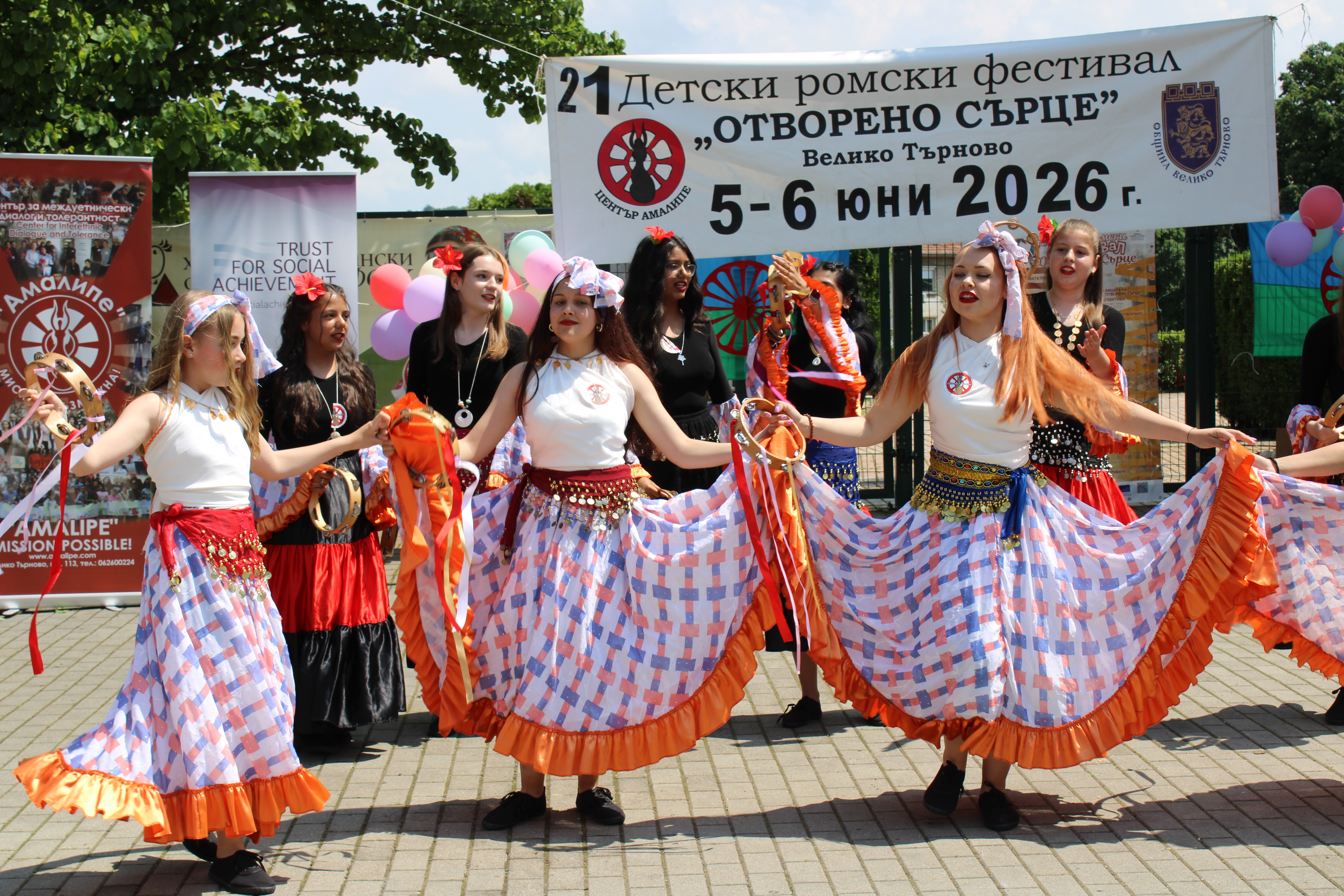
During the two festival days, the stage in Marno Pole Park was filled with a continuous stream of student performances, which transformed the space into a living organism of music, movement and emotion. Schools from different parts of the country came out one after another to present short musical and dance performances, folklore motifs, customs and scenic paintings, carrying both tradition and personal interpretation.
Each performance added a new color to the overall picture – sometimes it was a song filled with confidence and excitement, sometimes a dance that gathered the energy of an entire group, and sometimes a short stage story that managed to say much more than words. In these moments, the stage was not just a place to perform, but a space in which the children met each other, discovered each other and shared a piece of their world.
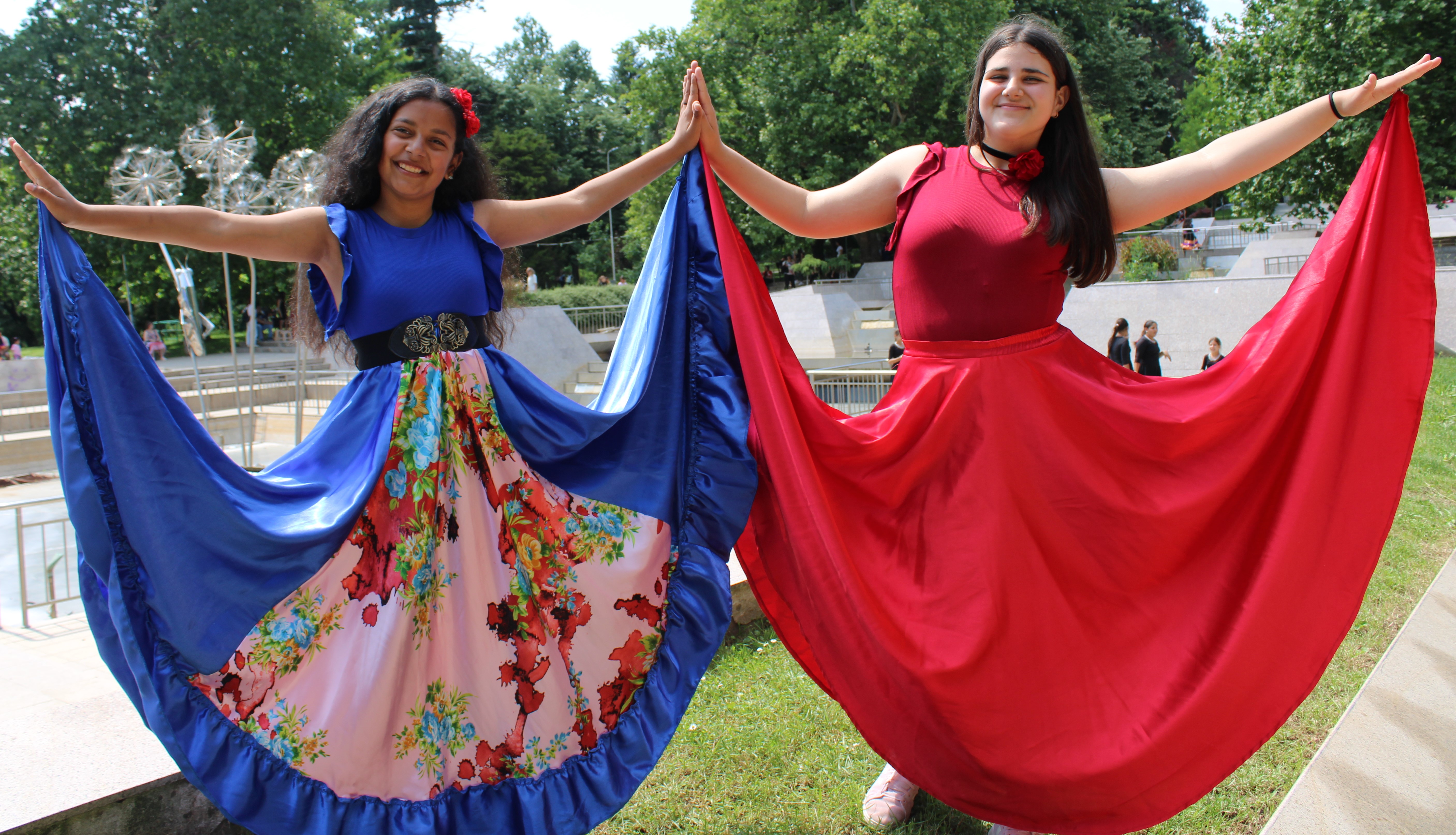
And it was this diversity, this constant movement between different rhythms, languages and cultural codes, that turned the festival program into an experience that is difficult to describe unambiguously. Behind each performance on stage stood effort, trepidation and anticipation, and behind each applause – the feeling that the children were not just participating in a festival, but were its true heart. These were not just two days filled with songs and dances. Each performance carried a piece of the identity, traditions and dreams of the children who took to the stage. Music, folklore, dances and artistic performances turned the Marno Pole Park into a space in which different cultures talk to each other through art.


🌍 Festival with institutional support and public significance
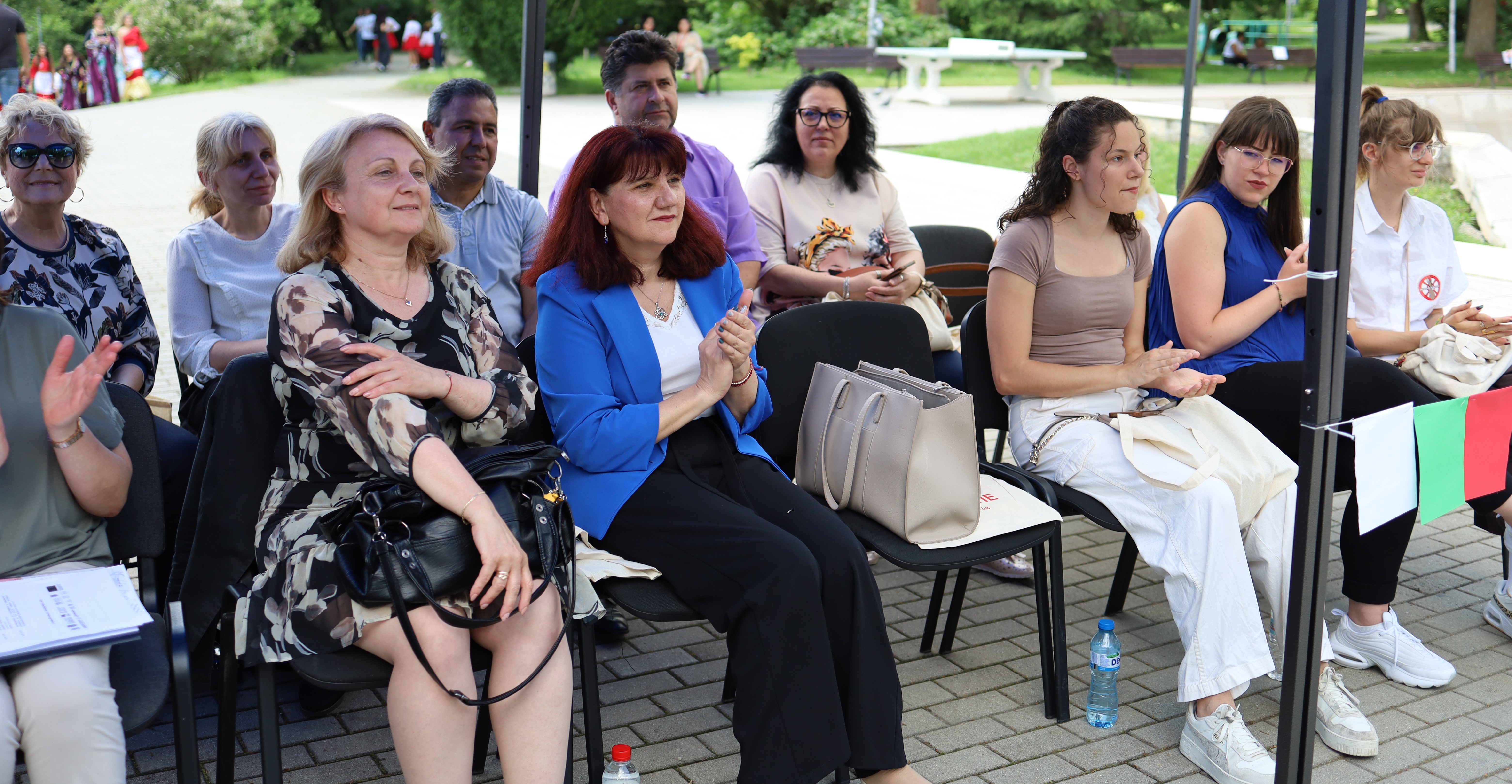
The large number of participants, the variety of performances and the rich accompanying program once again attracted representatives of state institutions, local authorities, educational structures, academia and the civil sector. Among the official guests of the festival were the Director of the Directorate of Education in the Municipality of Veliko Tarnovo Bonka Dolchinkova, the Director of the Directorate of Sports, Youth Activities, Tourism, International Cooperation and Demographic Policies Yulia Likomanova-Mutafchieva, the Chief Expert of Regional Development at the Veliko Tarnovo Regional Administration Iliyan Iliev, H.E. Arthur den Hartog – Ambassador of the Kingdom of the Netherlands, the Director of the Center for the Protection of Children from Discrimination Lalo Kamenov, the Chairperson of the Commission for Protection from Discrimination Elka Bozhova, Dr. Eva Zhecheva – Director of the Directorate “Children’s Rights” at the Ombudsman’s Institution, the Head of the Regional Department of Education – Veliko Tarnovo Zdravka Mincheva, the Head of the Regional Department of Education – Ruse Rositsa Georgieva, the Director of the Directorate “Social Activities and Healthcare” at the Municipality of Veliko Tarnovo Rositsa Dimitrova, Prof. Dr. Marianna Gateva Mandeva from the Veliko Tarnovo University “St. Cyril and Methodius”, the expert from the Executive Agency “Education Program” V. Tyufekchieva, as well as representatives of civil society organizations and activists – Spaska Petrova (Association “New Road”), Yuliana Metodieva (“Marginalia”), Gancho Iliev (“World without Borders”), Stella Kostova (RAKO – Sliven) and the Member of Parliament Ailin Pehlivanova. The presence of representatives of various institutions and organizations once again showed that “Open Heart” has long outgrown the framework of a cultural festival and has become a space for meeting between communities, professionals and like-minded people, united by the belief that education, culture and mutual respect are the foundation of a more just and solidary society.
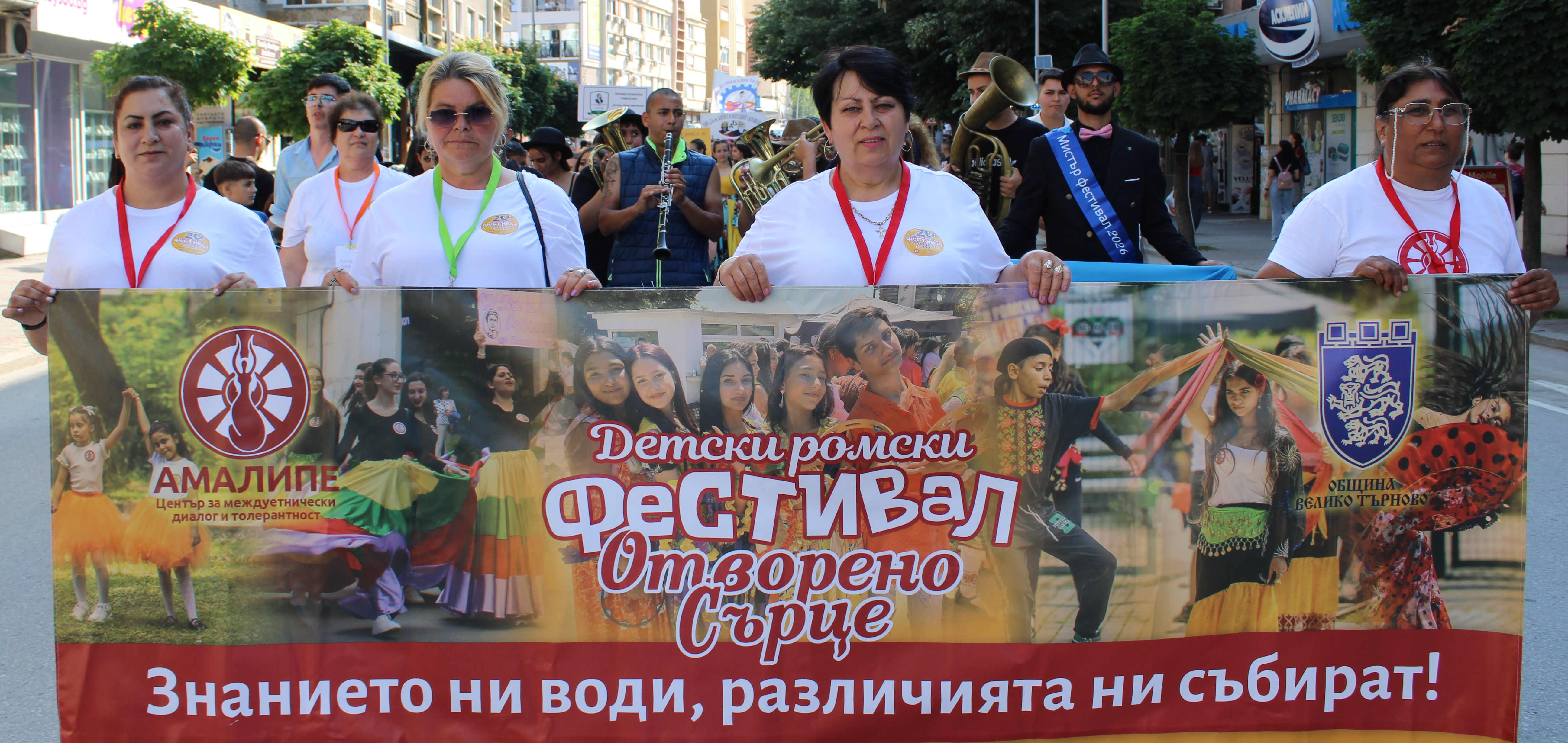
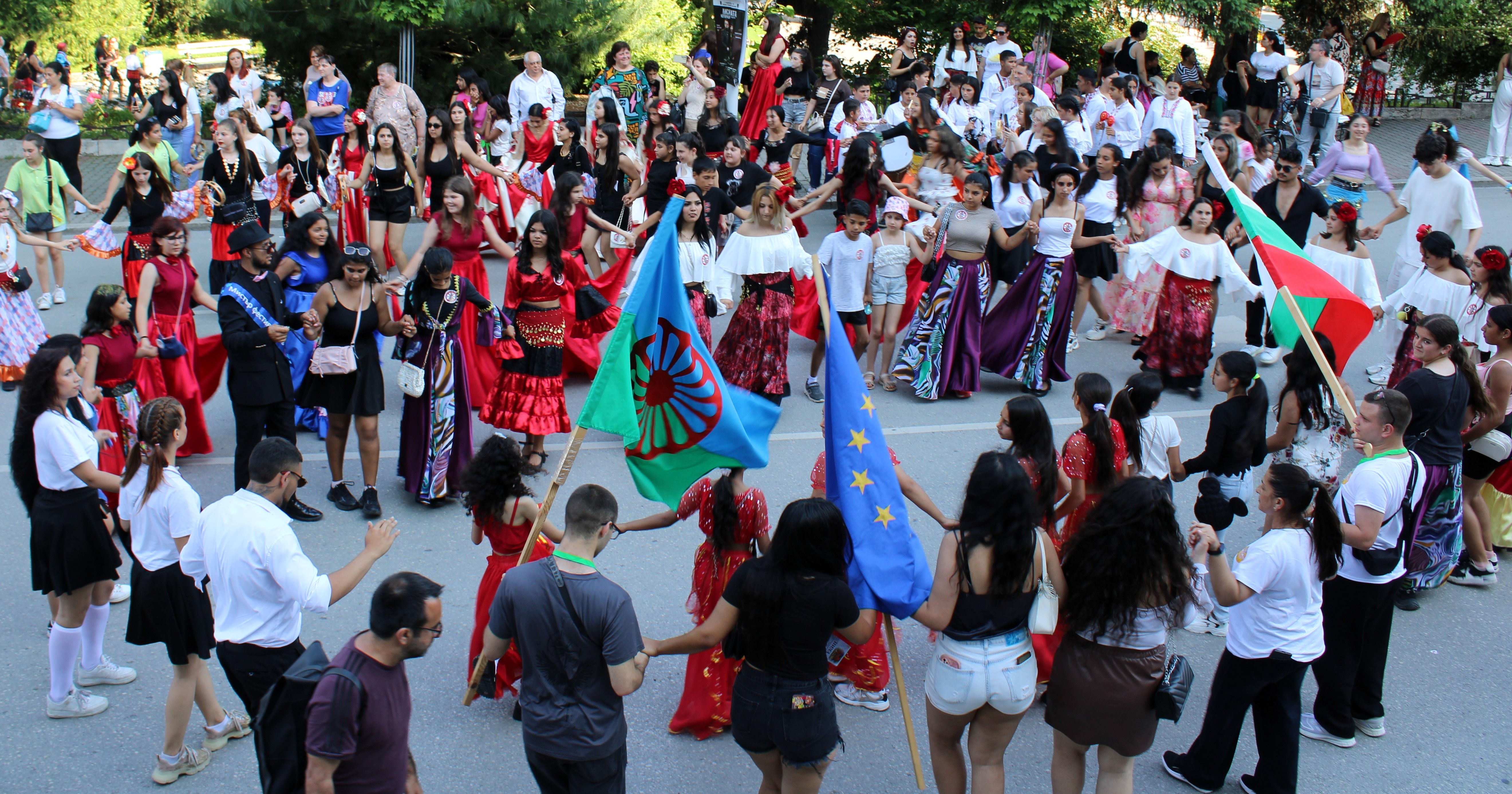
As every year, one of the most anticipated events was the festive parade of the participants, which passed along the central Vasil Levski Street. Led by music, flags and a festive mood, hundreds of children and young people turned the center of Veliko Tarnovo into a scene of youth, talent and cultural diversity. Residents and guests of the city welcomed the participants, and the colorful procession once again showed that differences can be an occasion for mutual recognition and respect, not for division.
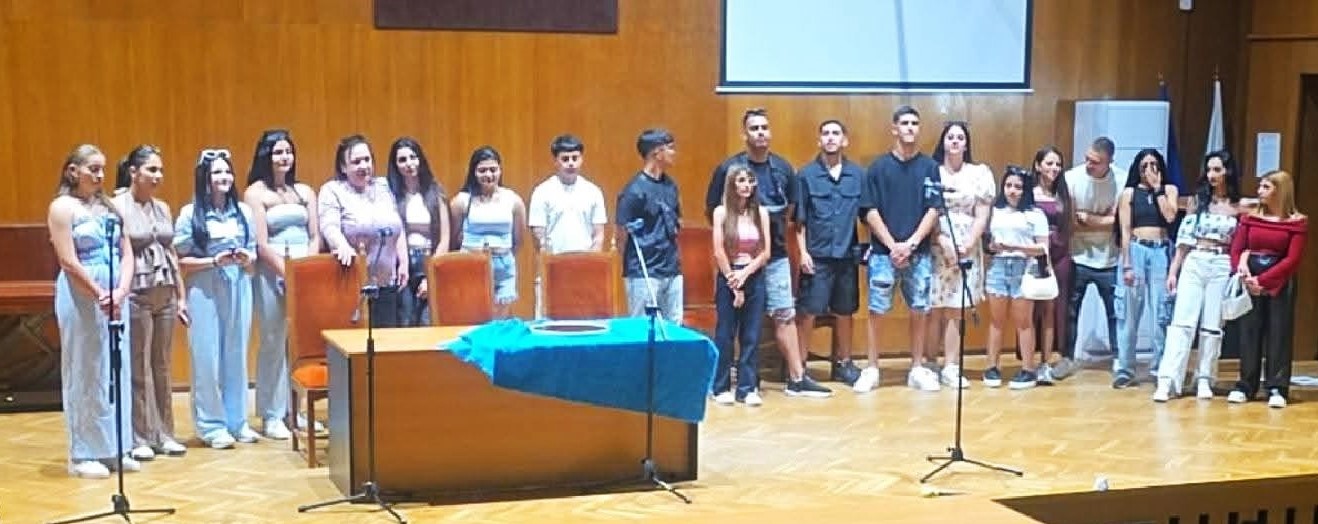
Among the highlights of the program were the theatrical performances presented in the Great Hall of the Municipality of Veliko Tarnovo. The students of the Vocational High School of Chemical and Food Technologies – Pazardzhik presented the play “The Place”, and the graduates of the Primary School “Prof. Dr. Asen Zlatarov” – Boyantsi – the play “The Path to Happiness”. Through the language of theater, the young actors told stories about choice, belonging and hope, and the performances were greeted with sincere applause from the audience.
The author’s play “THE PLACE” touches on the problems faced by young people, especially those of Roma origin – fear of rejection, discrimination, early marriages, poverty and loss of talents. At the same time, it emphasizes hope, rebellion, the desire for change, self-acceptance and overcoming prejudice. What is “the place” and how it changes the characters remains a question that the audience will find the answer to in the production.
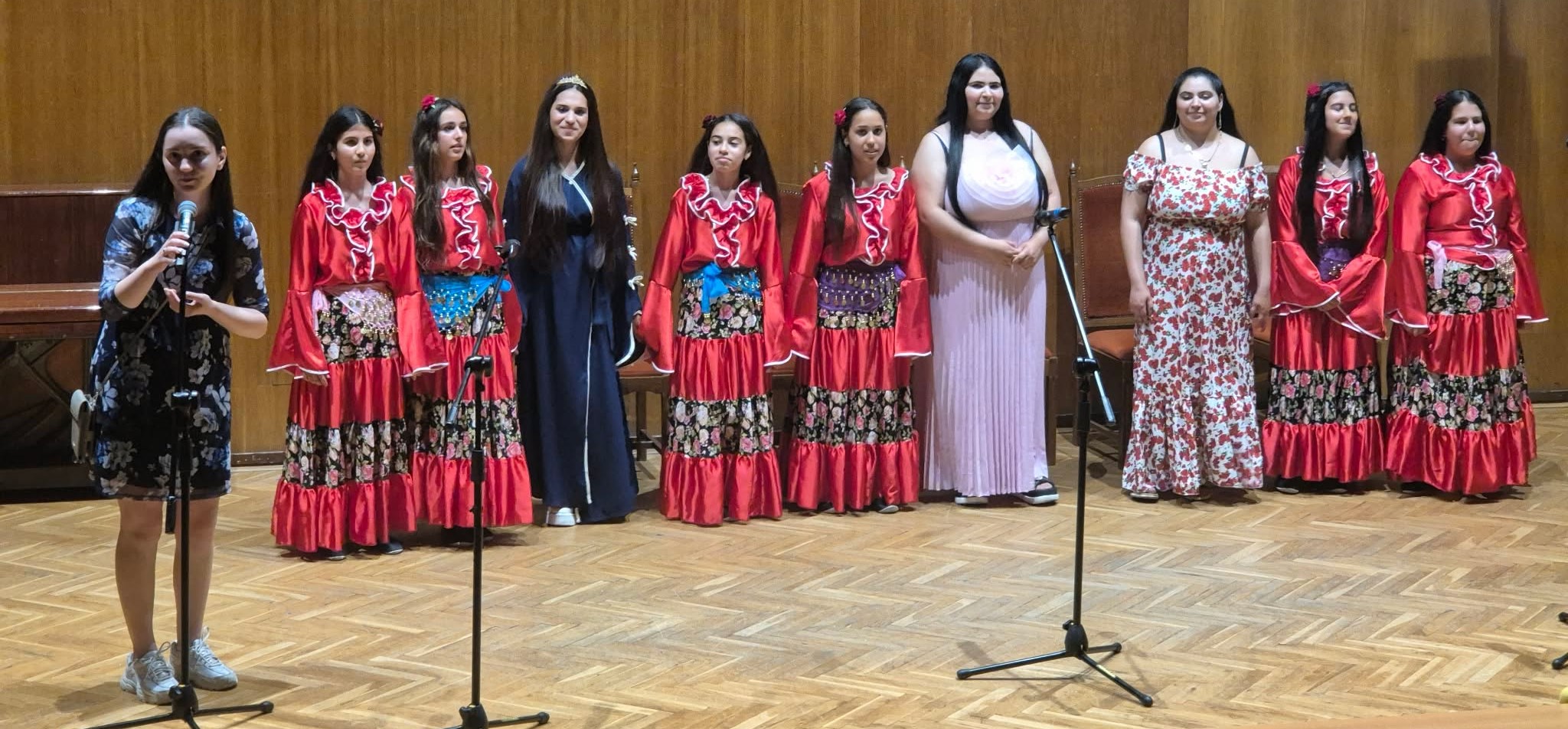
“The Road to Happiness” by the Primary School “Prof. Dr. Asen Zlatarov”, Boyantsi is a theatrical and dance etude that unites the themes of true friendship, education, love and family. Students from the Primary School “Prof. Dr. Asen Zlatarov” – village of Boyantsi, Plovdiv region, will remind the audience that the hearts of people from all ethnicities around the world beat the same way, and true friendship accepts differences as a wealth that can be shared. The production reveals how strong the bond between generations is and how a message passed on within the family is capable of changing the destinies of many.
The evening of the first festival day ended with the audio-visual spectacle “Tsarevgrad Tarnov – Sound and Light”, which lit up the sky above the old capital and added another beautiful touch to the festive atmosphere.
Discussions about mental health without barriers
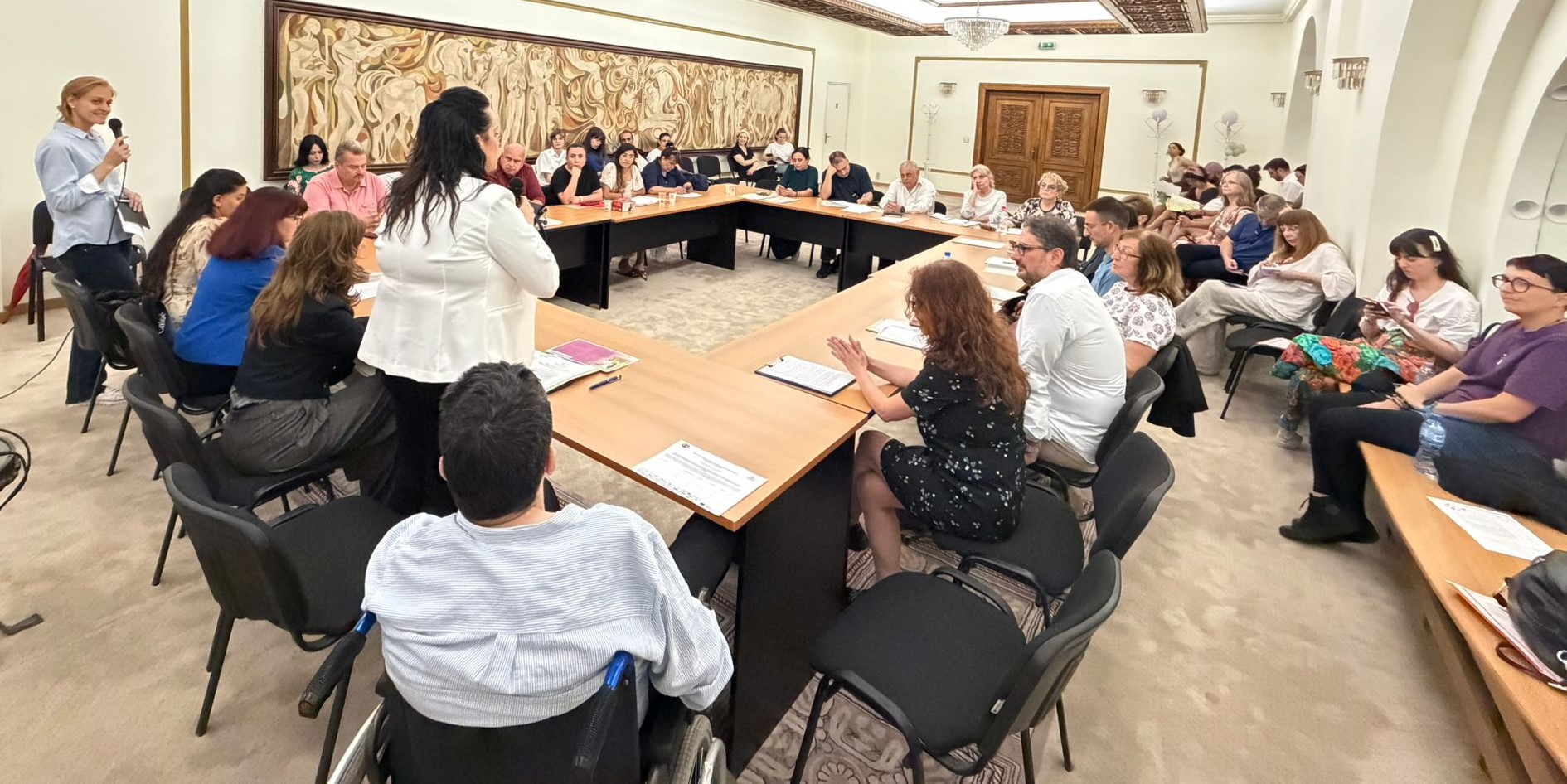
As part of the festival program, a round table on the topic “Mental Health Without Barriers” was held in the Ritual Hall of the Municipality of Veliko Tarnovo, implemented within the framework of the international project EQUICARES. The event brought together representatives of institutions, schools, non-governmental organizations, experts, psychologists, mediators and partner organizations from the country and abroad, who discussed the topic of the mental health of children and young people in a broader social context.
The focus of the conversation was on the challenges facing students and their families – stress, aggression and bullying at school, discrimination, early marriages and difficulties in seeking and receiving timely support. The participants emphasized that mental health cannot be viewed solely as a medical issue, but is closely linked to living conditions, the school environment and the opportunity for people to receive understanding and support without stigma. You can read more about the meeting and the main topics discussed during it HERE
The second day of the festival also saw the Sixth National Meeting of Roma Women, which traditionally brings together active women, educational mediators, leaders and public figures from different settlements. The meeting focused on the role of women in the community, access to education, active civic participation and the challenges facing young girls and families today. With each passing year, the initiative is being established as a space for mutual support, sharing of experience and inspiration, and the participants in it continue to show that change starts with people who believe in the power of education and community.
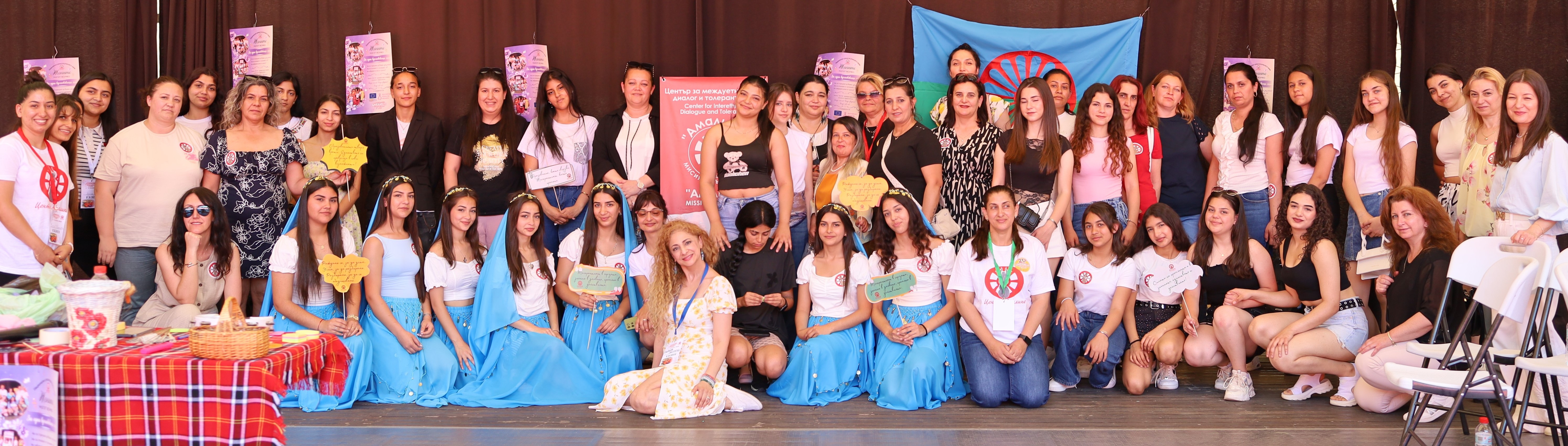
The large number of participants, the diversity of performances and the presence of representatives of various institutions were once again a recognition of the scale and importance of the festival, which over the years has established itself as one of the most recognizable events promoting intercultural dialogue and educational integration in Bulgaria.
🎨 When art talks about choice and the future
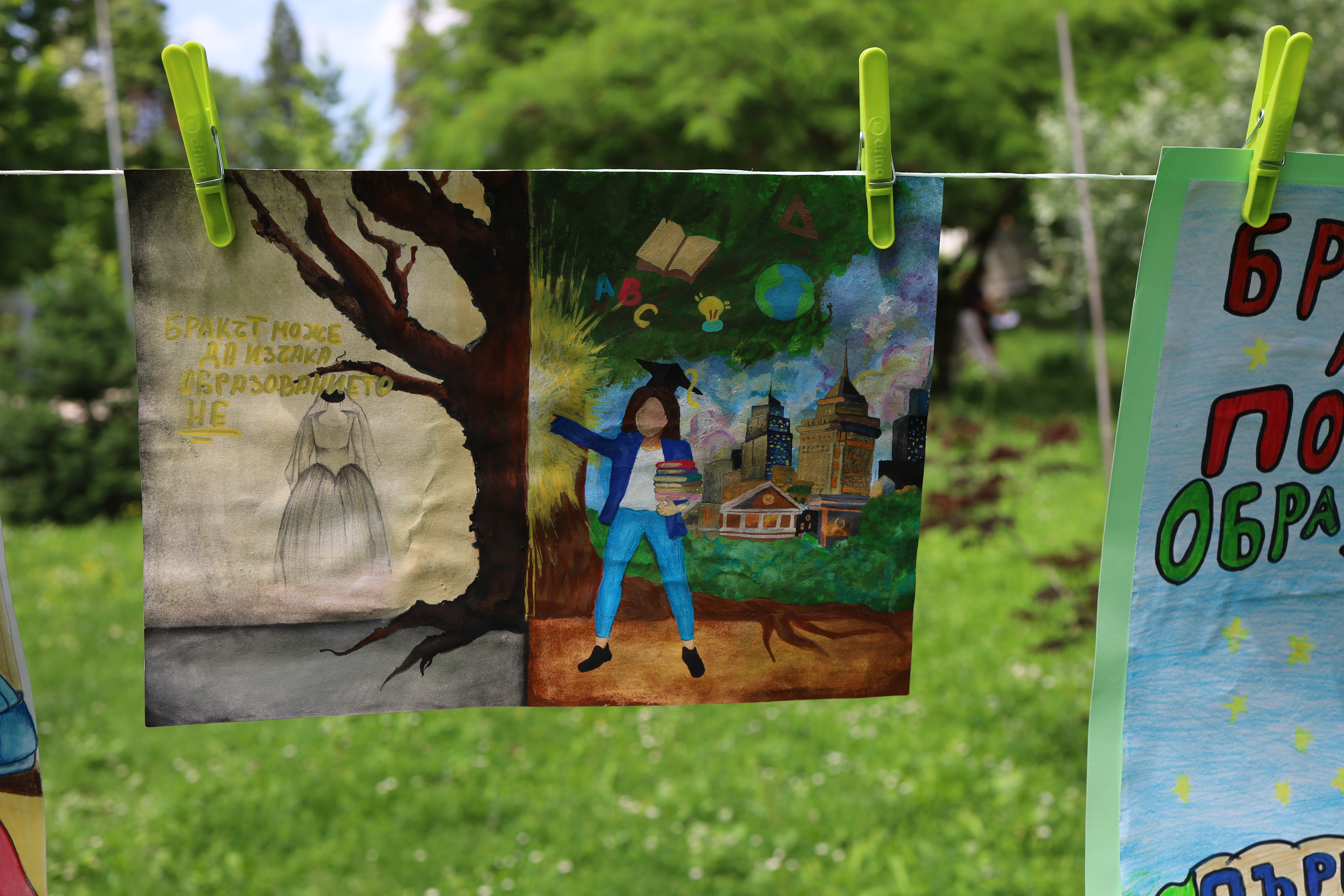
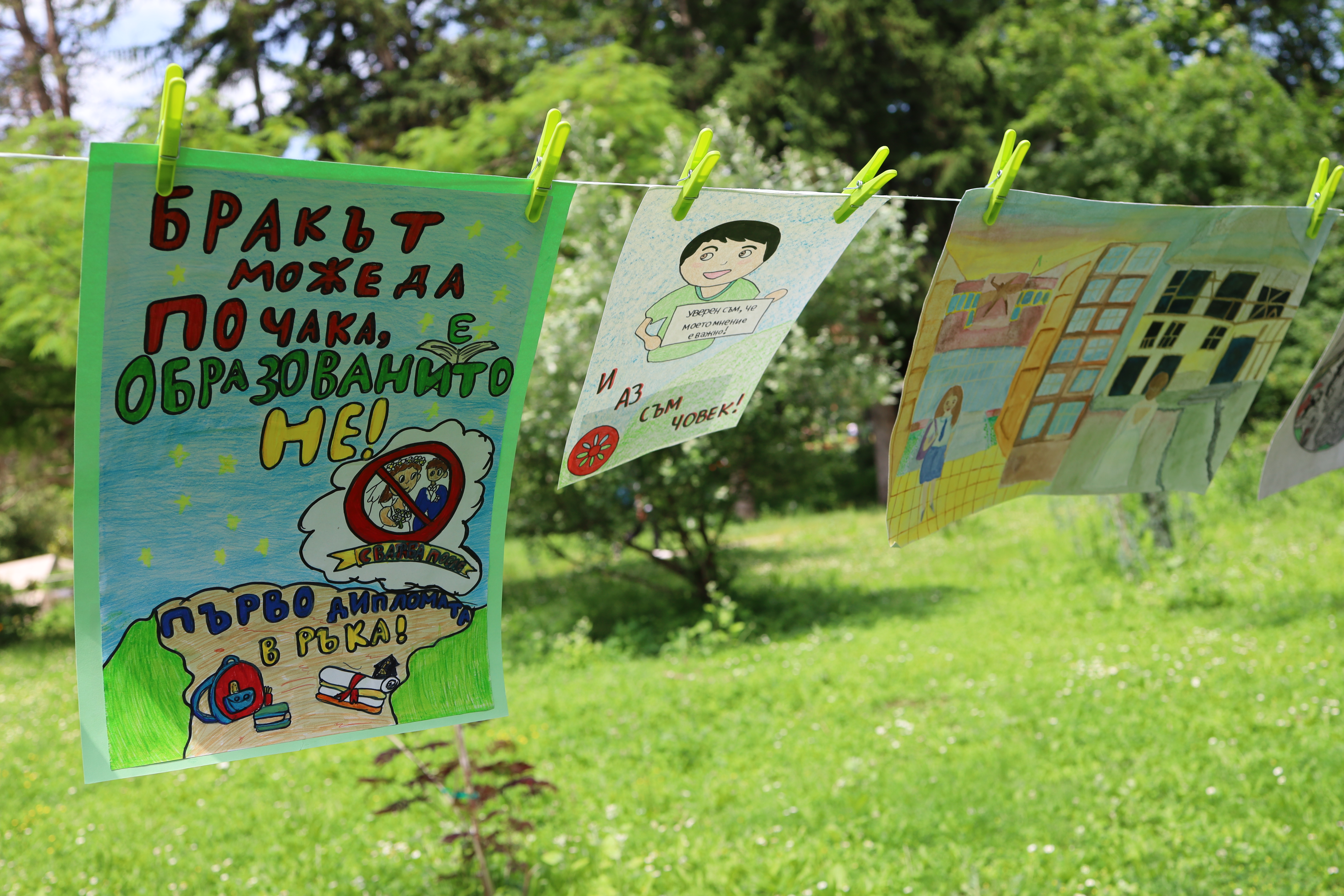
A special place in the program was occupied by the exhibition of drawings from the student competition “Marriage Can Wait, Education Can’t”, dedicated to the importance of education and the prevention of early marriage. Through their works, the students sent strong messages about the right of every child to choose their future and to have the opportunity to follow their dreams.
✨ Creative workshops
During the two festival days, creativity was not limited to the stage. Schools from different parts of the country organized various ateliers and workshops that attracted young and old visitors. Making souvenirs and decorations, creative activities, games and demonstrations turned the festival space into a place for sharing, learning and communication. Thus, along with the performances on stage, the participants had the opportunity to experience different traditions, skills and ideas, and creativity became another language through which children and young people communicated with each other.
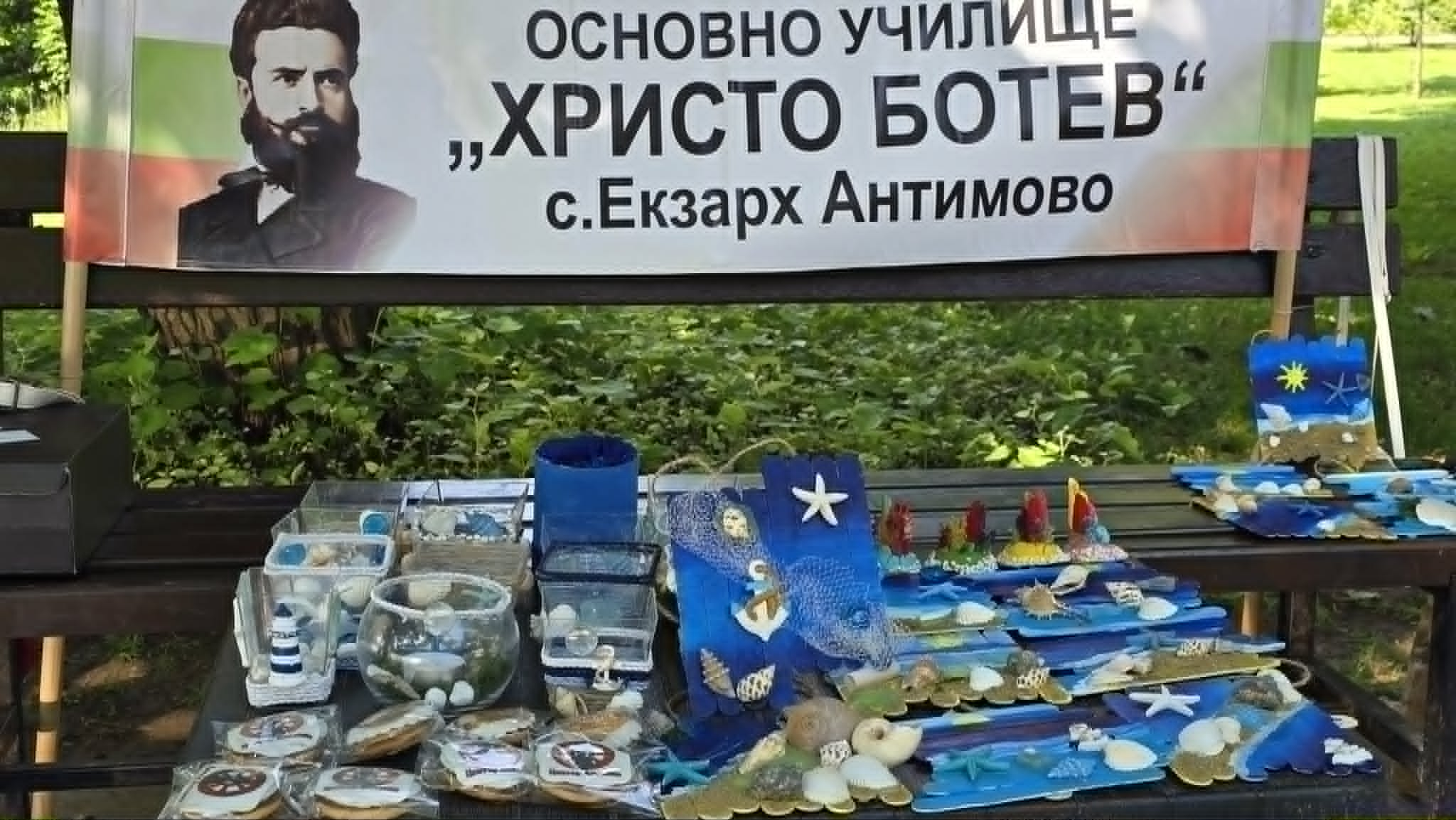
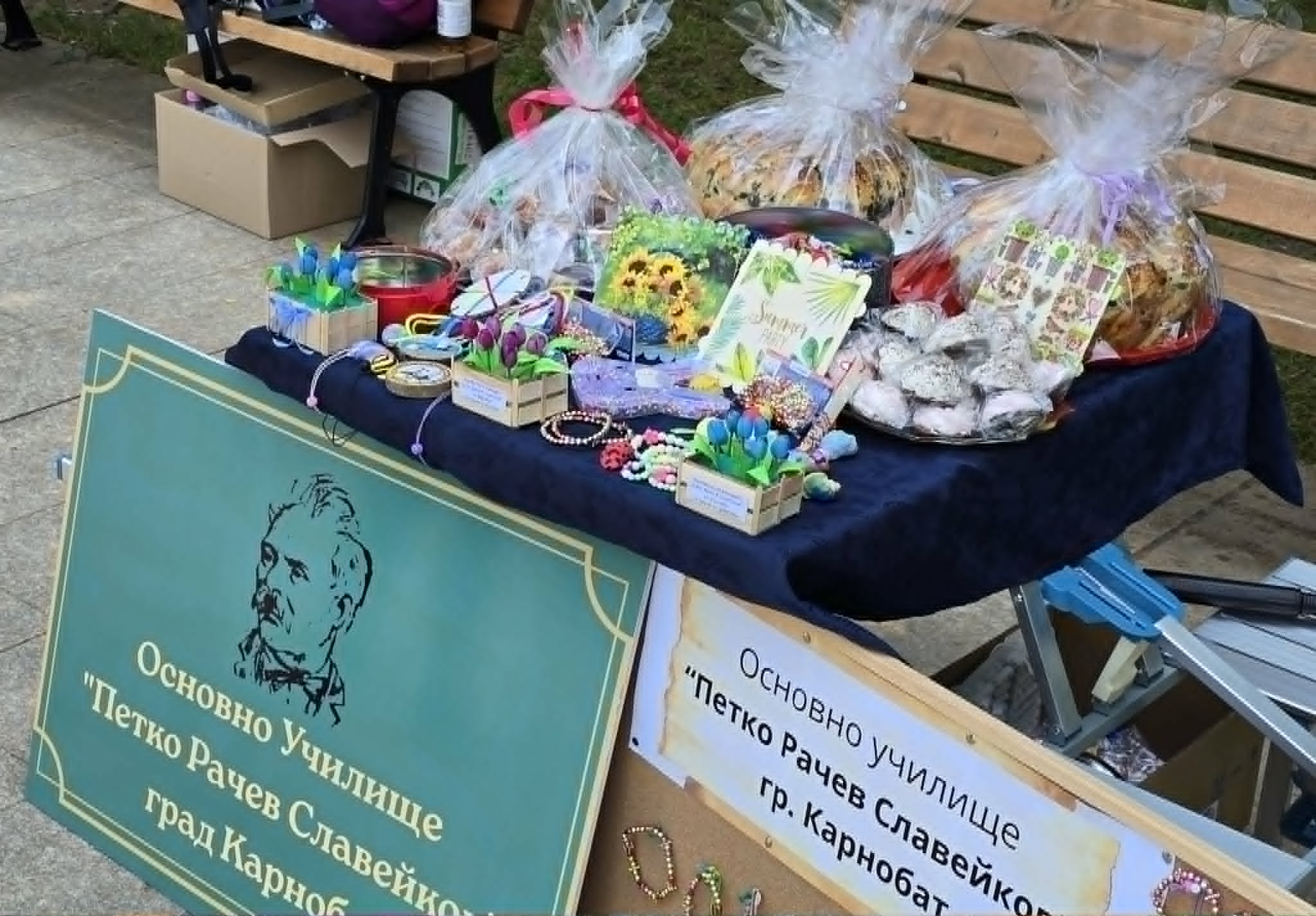
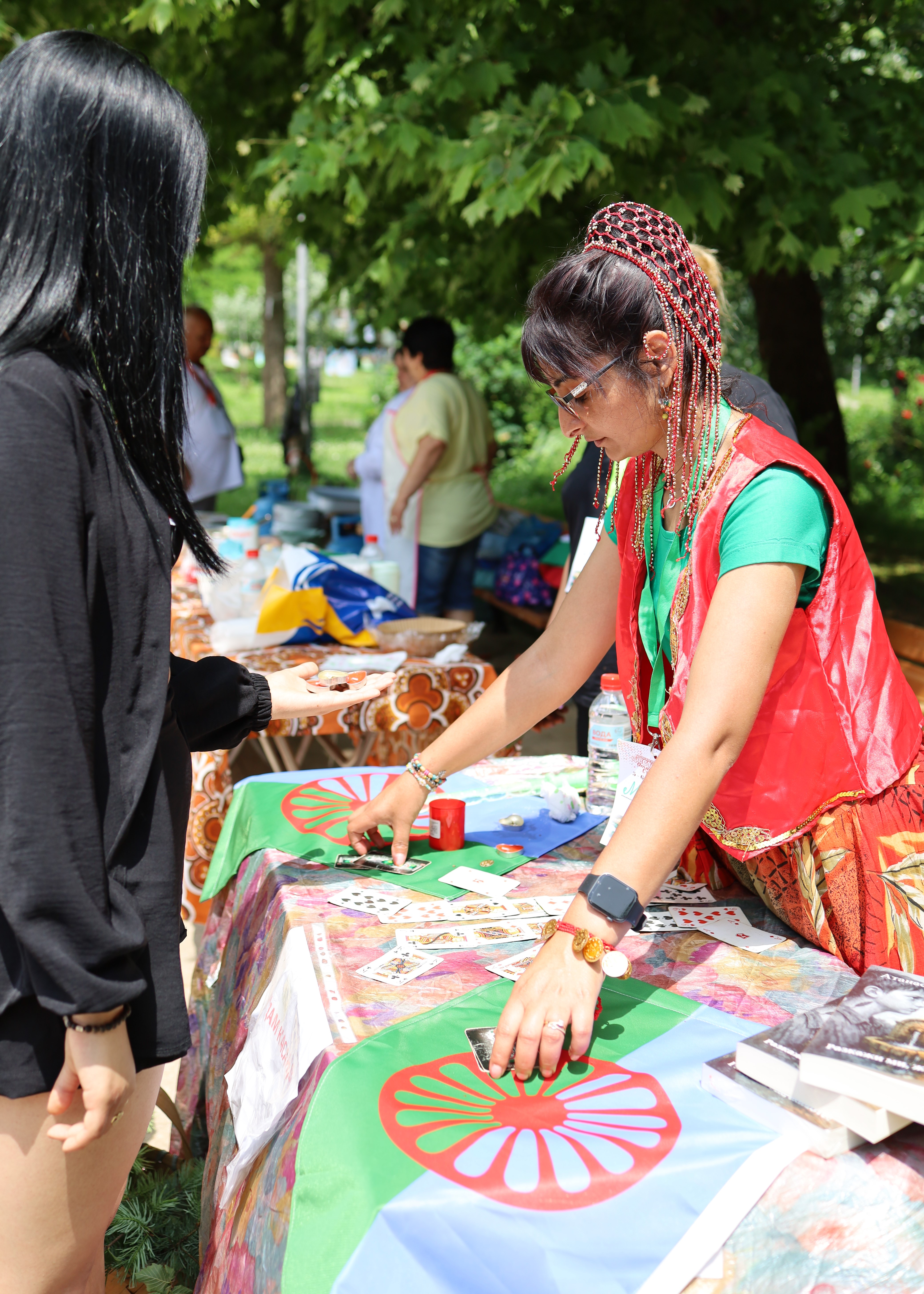
Within the creative workshops, the traditional “Cassandra” – an indispensable part of every edition of the festival – once again took a special place. It attracted the interest of participants and guests, who curiously joined in the familiar, but always exciting process, which has become a kind of symbol of continuity and the living connection between the editions of “Open Heart”.
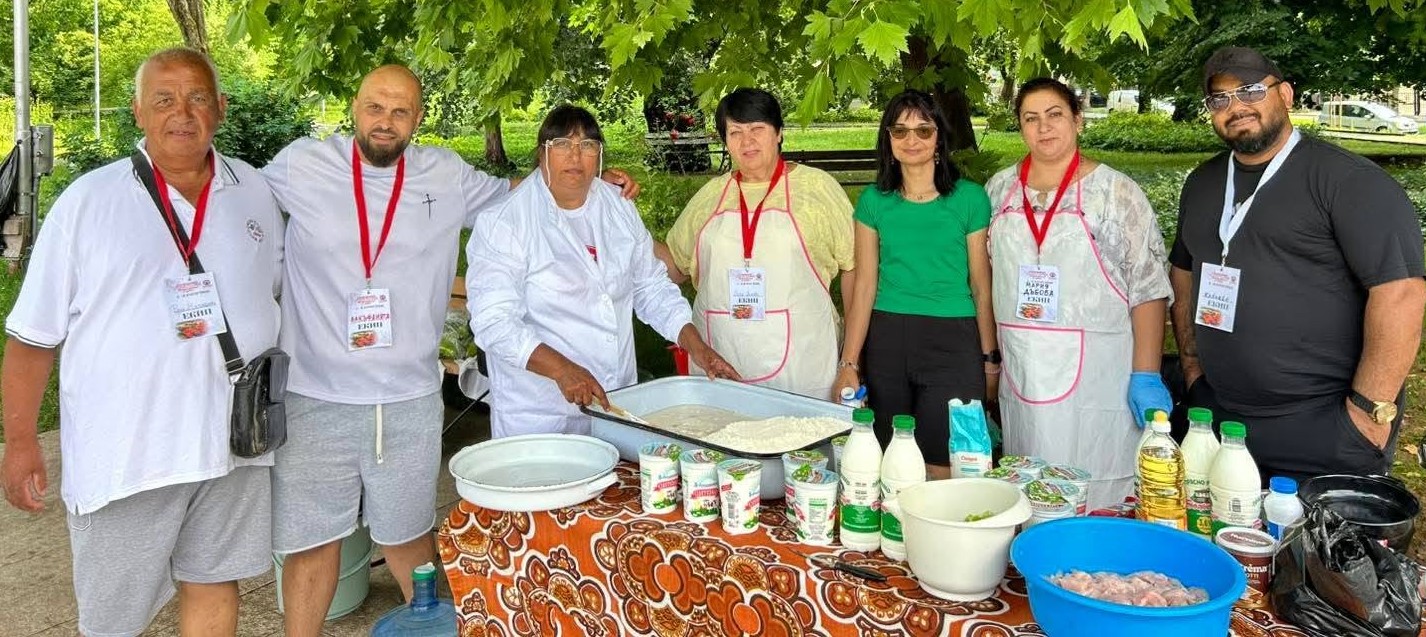
Within the creative workshops, a particularly interesting highlight was the culinary experience “Nightmares in the Kitchen of Amalipe”. In it, participants had the opportunity to get acquainted with traditional Roma dishes, to “steal” a recipe and take it with them as inspiration. The idea of the workshop was that after the festival, everyone would recreate what they had learned at home, and then share their interpretation with a photo on the festival website – as a kind of continuation of the experience beyond the festival days.
The Open Heart Children’s Roma Festival is one of the beautiful and inspiring traditions that the Amalipe Center, together with the Municipality of Veliko Tarnovo, has been supporting since 2003. Open Heart is not just a festival. This is the place where differences turn into wealth, talents find their stage, and children and young people show that respect, knowledge and empathy can be the strongest foundation for a better society. For many of the participants, the festival is much more than a stage performance. It is a place for meetings, new friendships and shared emotions that remain long after the end of the last performance. For two days, children and young people from different parts of Bulgaria had the opportunity not only to show their talent, but also to get to know each other, exchange ideas and create friendships that often continue after the festival days.
The festival left different traces on the participants – from the stage to the audience, from the official guests to the young performers. Their impressions continue the story of the event beyond the program itself:
“I was most impressed by the smiles of the children, the enthusiasm of the participants and the variety of performances. Each song and dance carried its own unique story and showed the beauty of different cultural traditions. The atmosphere was filled with joy, energy and a sense of community.”
“The main feeling that the festival creates is one of togetherness. When hundreds of children and young people from different ethnicities, cities and schools gather in one place, barriers disappear. The emotion here is not just fun, but a deep sense of acceptance – a place where everyone is welcome for who they are.”
“The festival left us with many positive emotions and unforgettable impressions. The atmosphere was filled with mood, smiles and creative spirit. We had the opportunity to meet participants from different settlements, present our skills and enjoy a diverse cultural program.”
“The festival left us with unforgettable impressions. The students participated with enthusiasm and interest, and the meeting with talented participants from different settlements brought them many positive emotions. The colorful performances, music and dances showed the beauty and richness of Roma folklore.”
“Charge and enthusiasm, magic of cultural diversity.”
This year’s edition of the Children’s Roma Festival is realized with the support of:

Veliko Tarnovo Municipalty

Trust for Social Achievement (TSA) is a non-governmental organization whose mission is to break the vicious cycle of poverty by promoting opportunities that help Bulgaria’s most disadvantaged citizens achieve educational and economic success. TSA supports programs that, through their integrity, growth potential, and transparency, help improve the well-being of Bulgaria’s poorest people, with a special focus on Roma.
EQUICARES – Community-Driven Healthcare Access and Mental Health Promotion for Inclusive, Equitable, and Resilient European Societies

Project “Marriage can wait, education can’t” is implemented within the framework of the INSPIRE project: Improving National Support for Prevention, Intervention, Response, and Empowerment of Victims of Violence against Children” and is co-funded by the European Union and the Foundation “Workshop for Civic Initiatives Foundation” (WCIF).


“Prosveta” is the largest and most authoritative Bulgarian publishing group for textbooks, teaching aids and methodological literature. For eight decades, the publishing house has defended its first place in the domestic educational book publishing.