Roma Pride 2026: Culture, Education and Shared Pride Across Bulgaria
From conversations with passers-by on Stambolov Bridge to school performances and creative workshops, Roma Pride 2026 brought generations together around Roma history, culture and everyone’s right to take pride in their roots. Held mainly from 5 to 11 October, Roma Pride Week united schools, educational mediators, volunteers and local communities. Amalipe Center’s campaign created opportunities to learn about one another, express creativity and discuss the future.
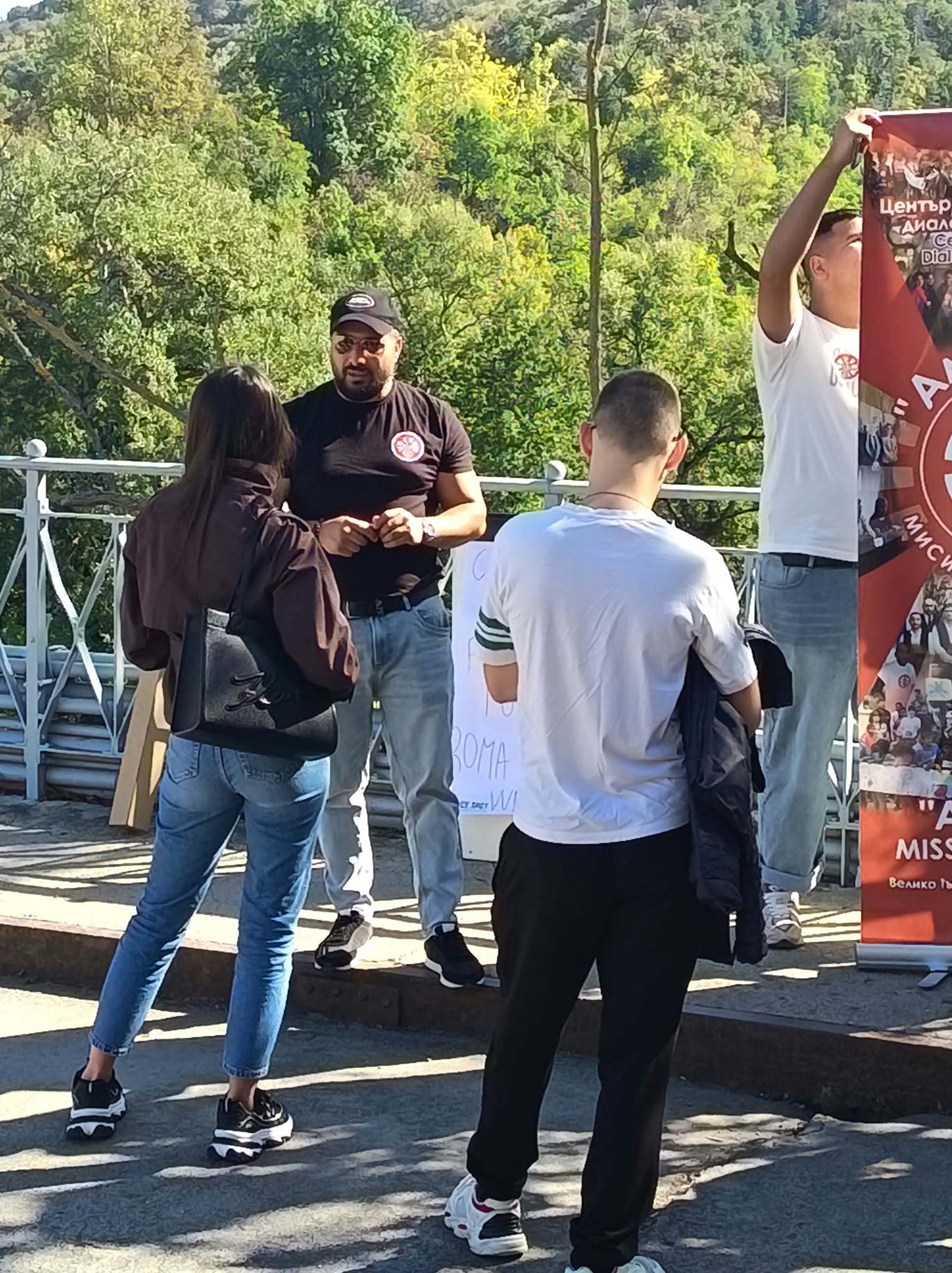
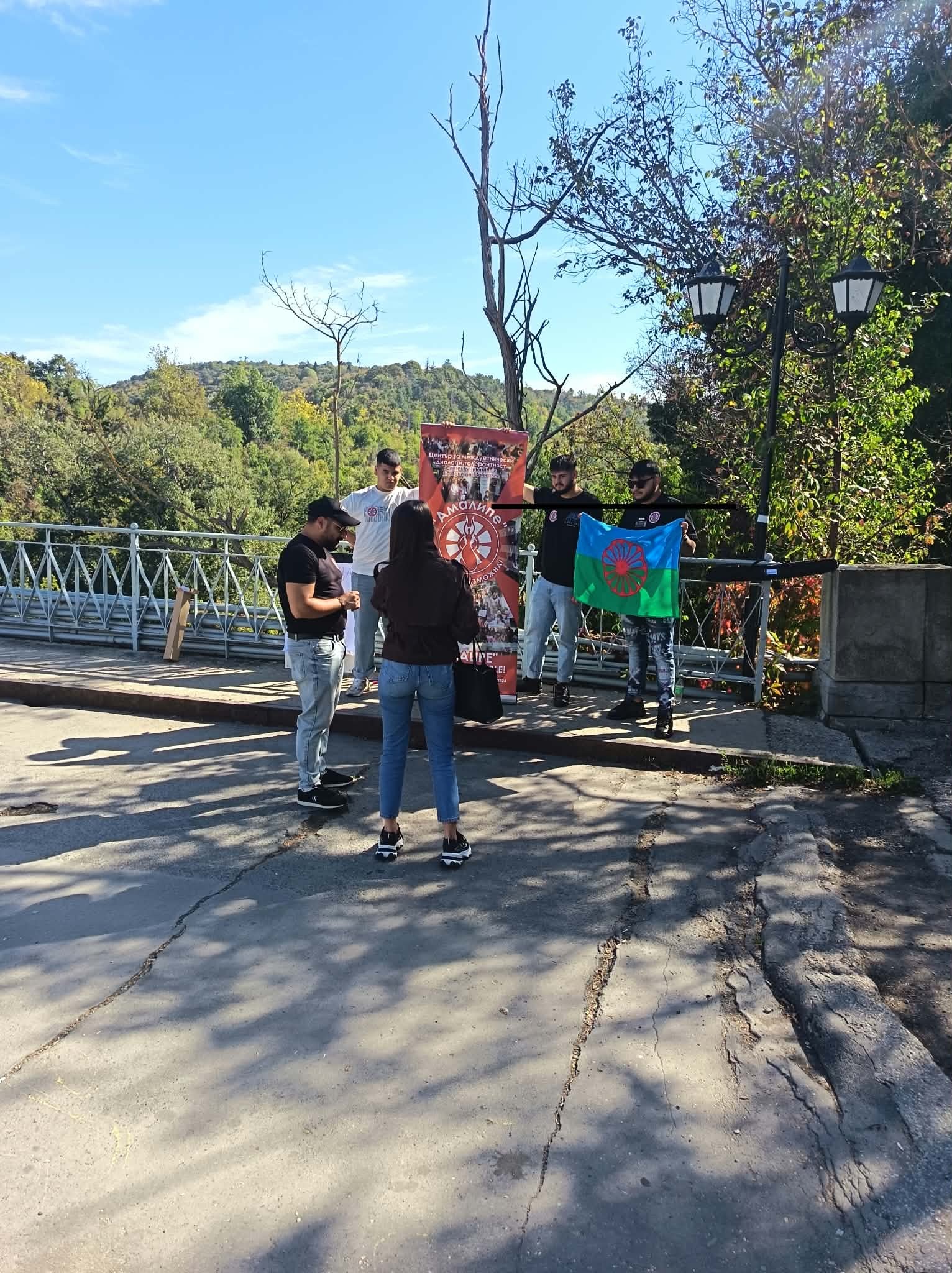
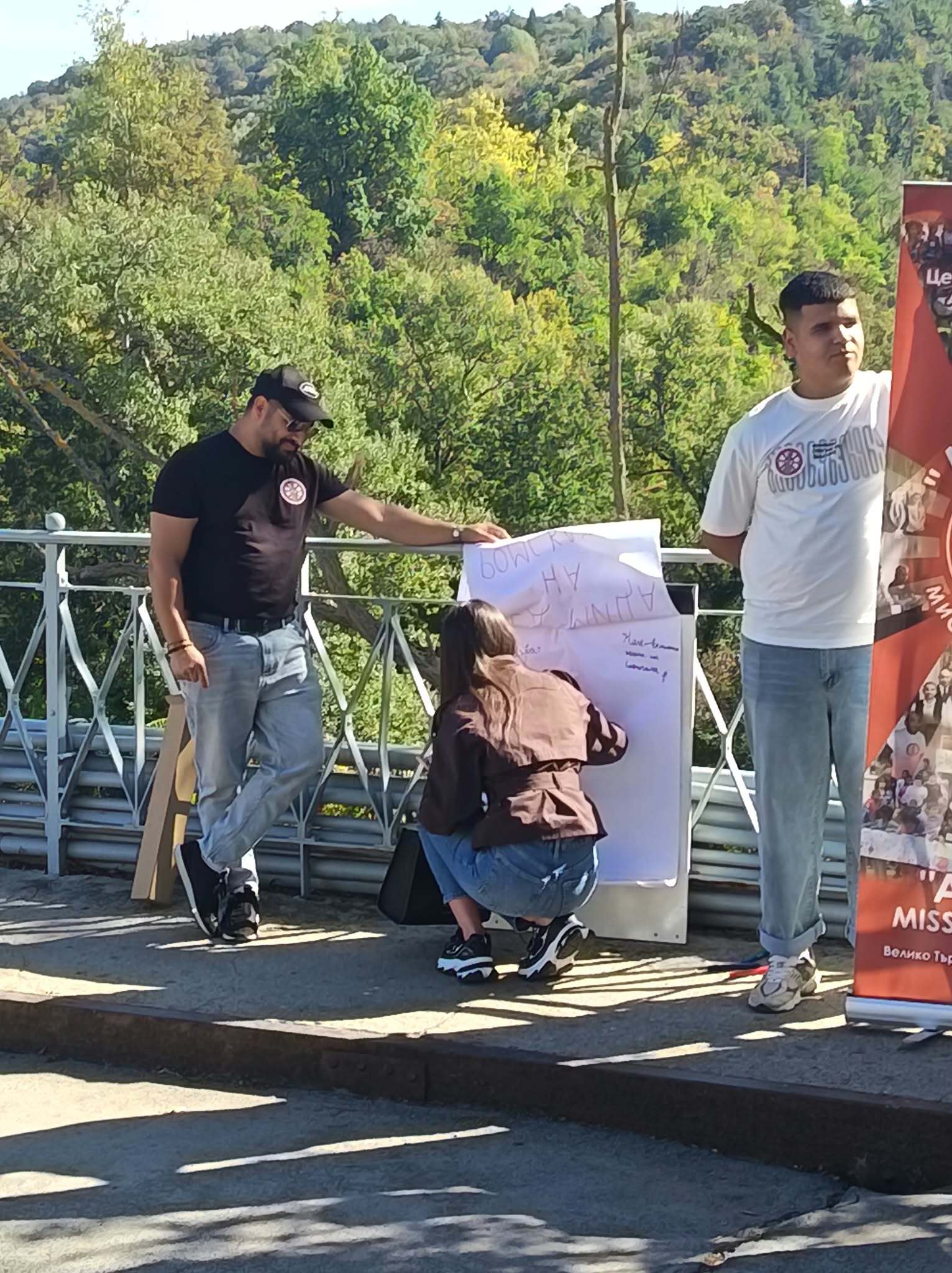
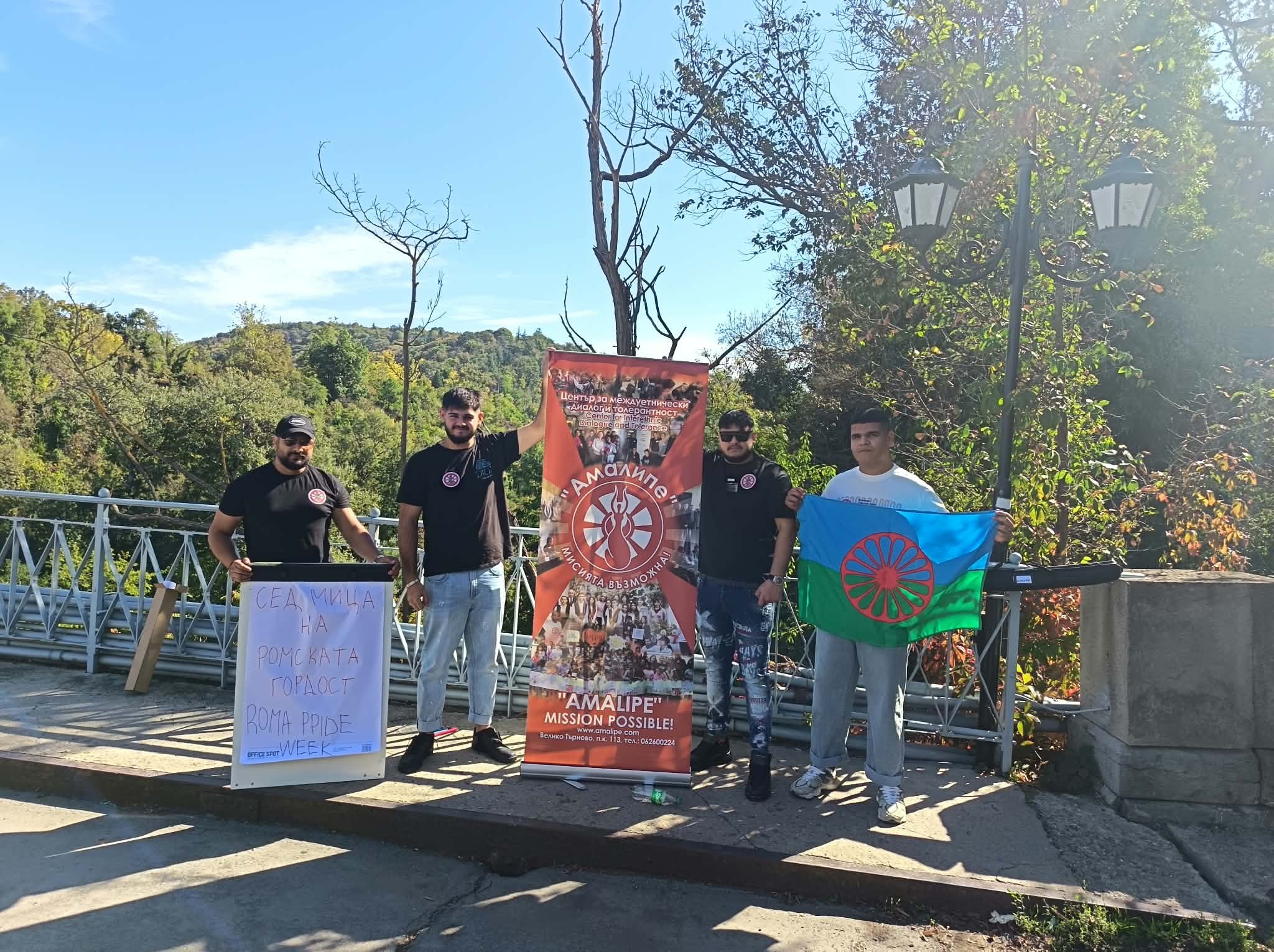
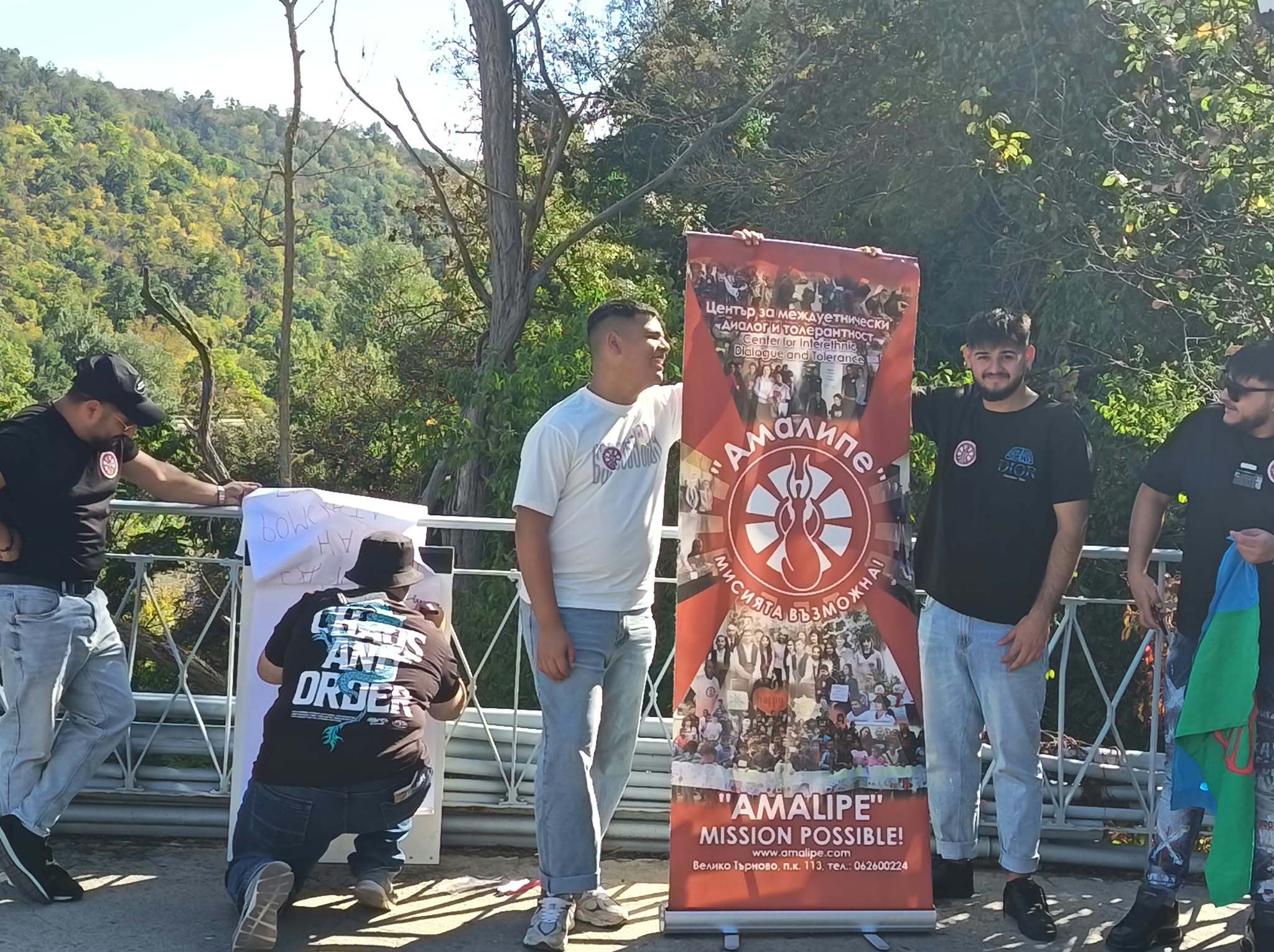
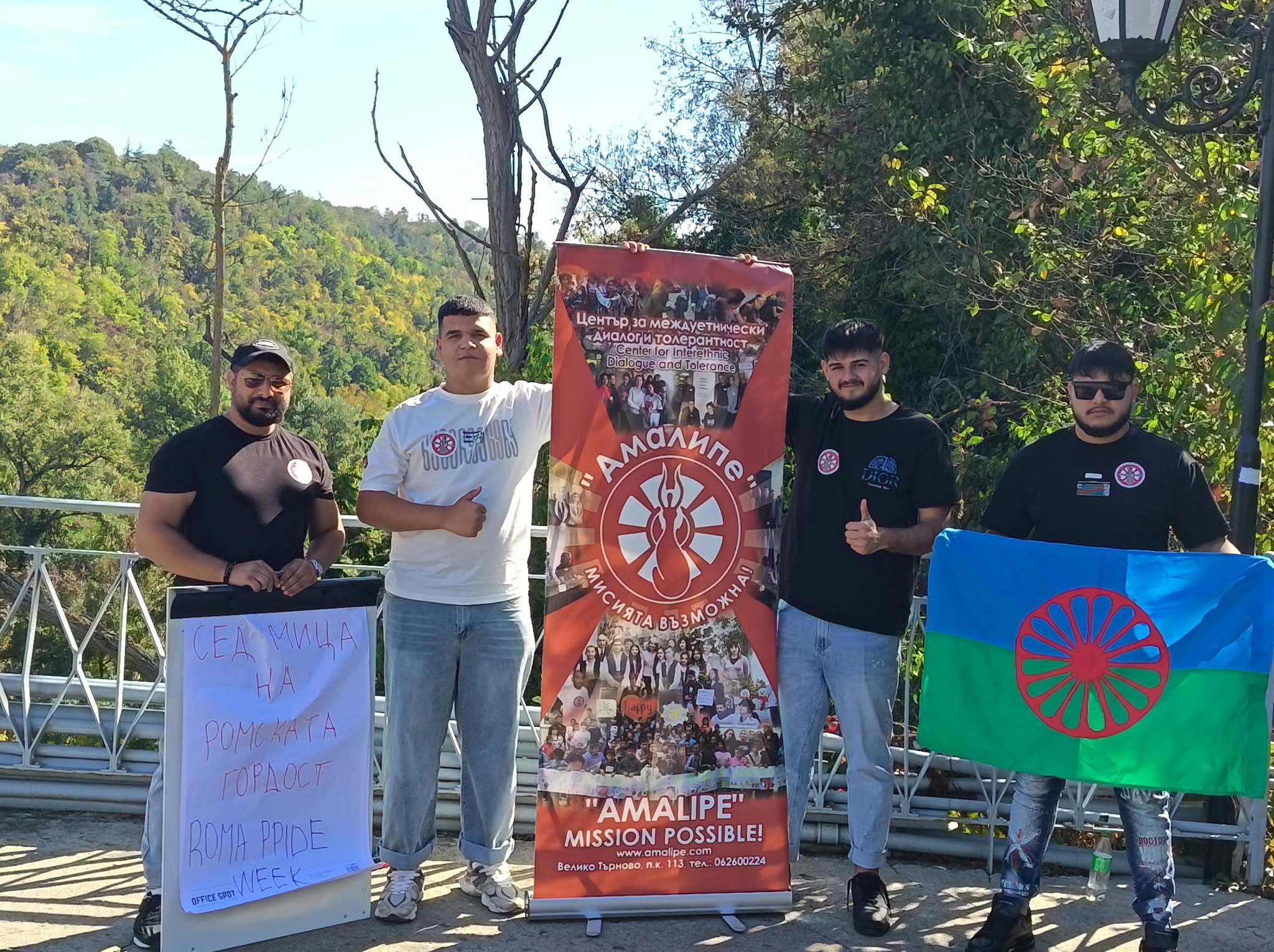
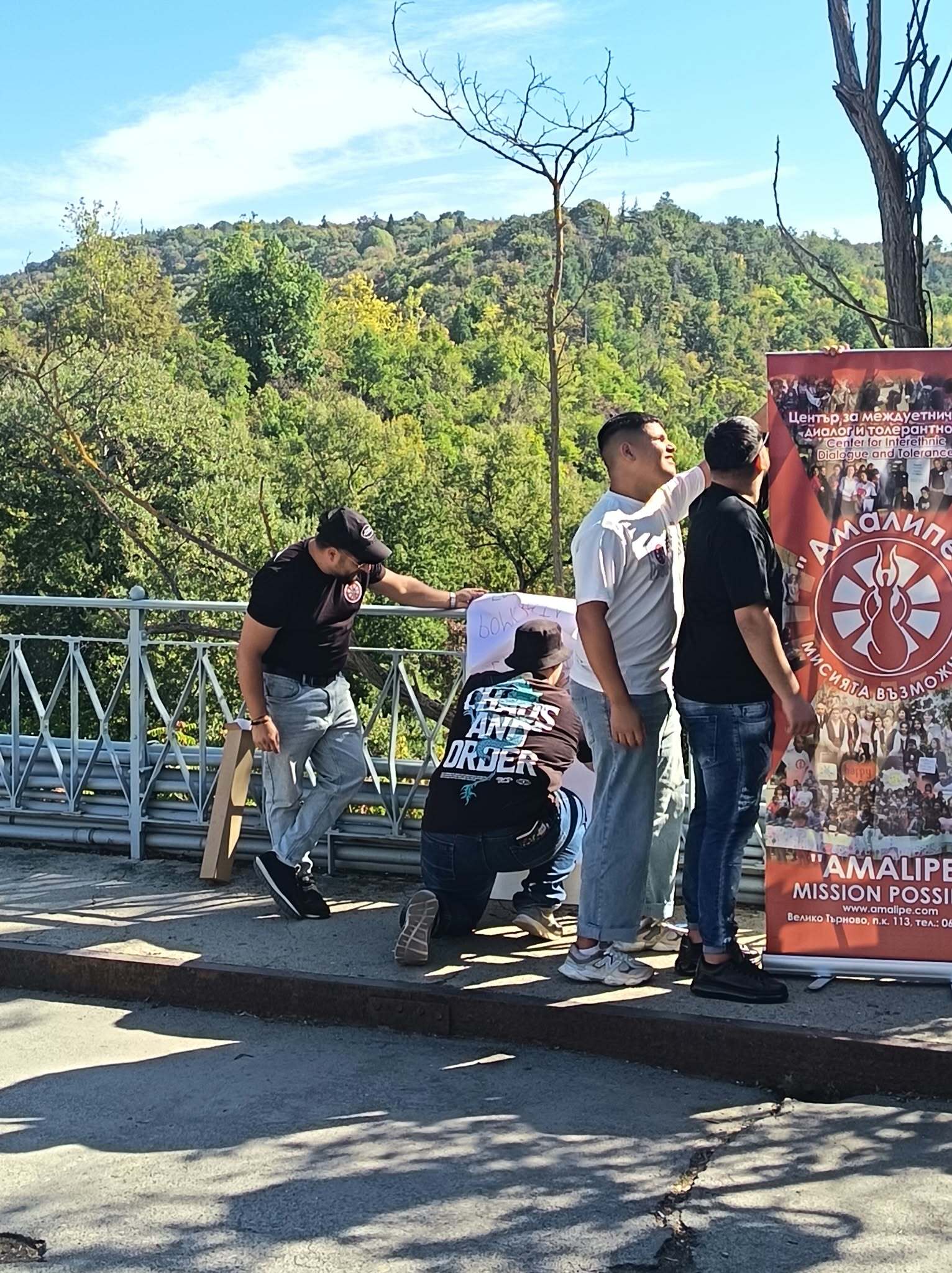
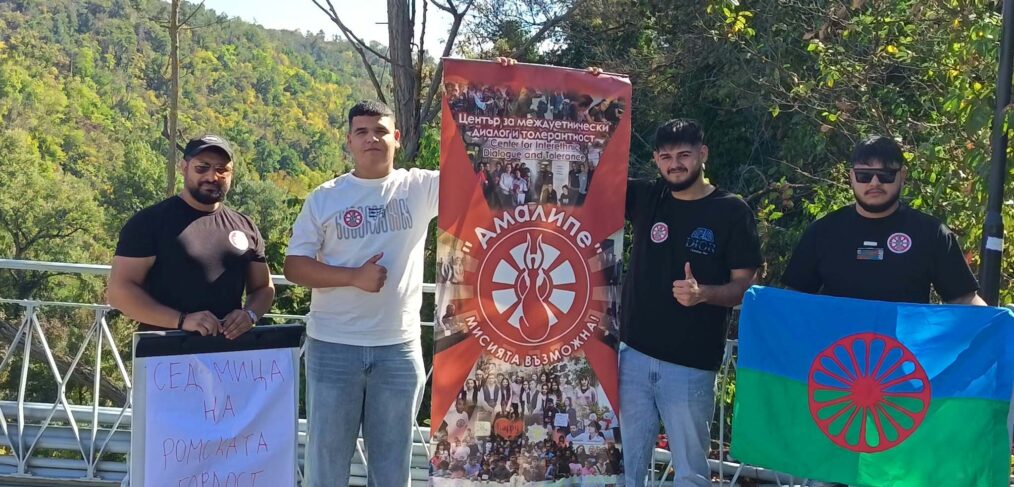
 In Veliko Tarnovo, Amalipe volunteers took these conversations beyond the classroom. On Stambolov Bridge, they approached passers-by to discuss Roma history, culture and the meaning of Roma Pride. Participants’ views were recorded on a flipchart, and the volunteers displayed the Roma flag. The initiative gave people space to share their impressions, ask questions and discover more about one another.
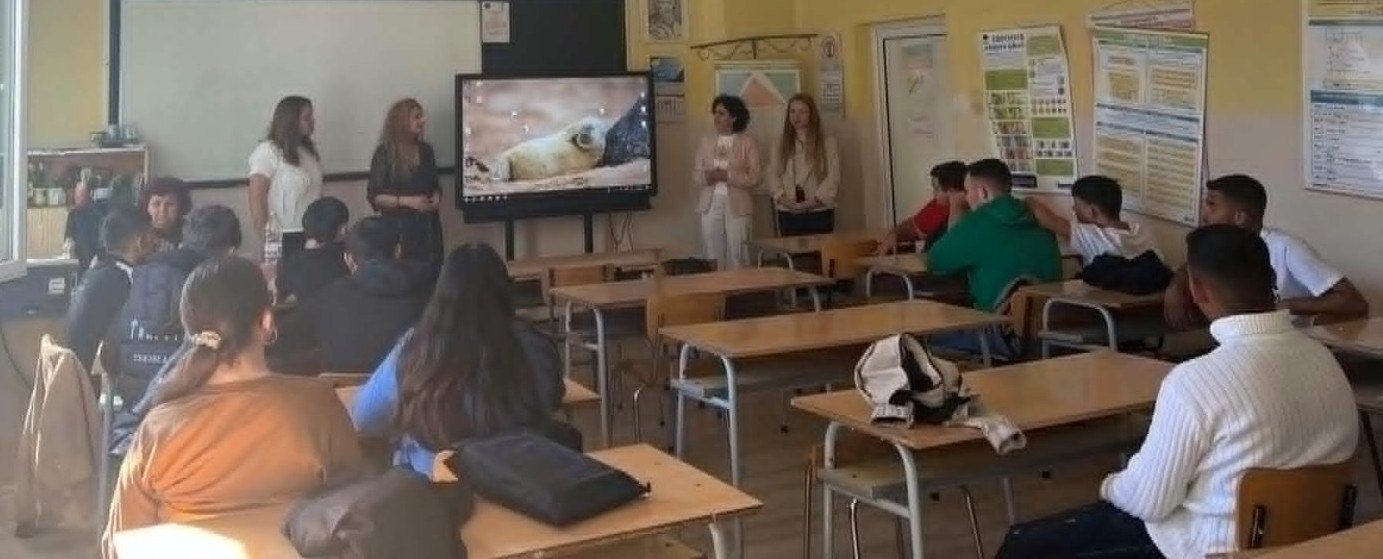
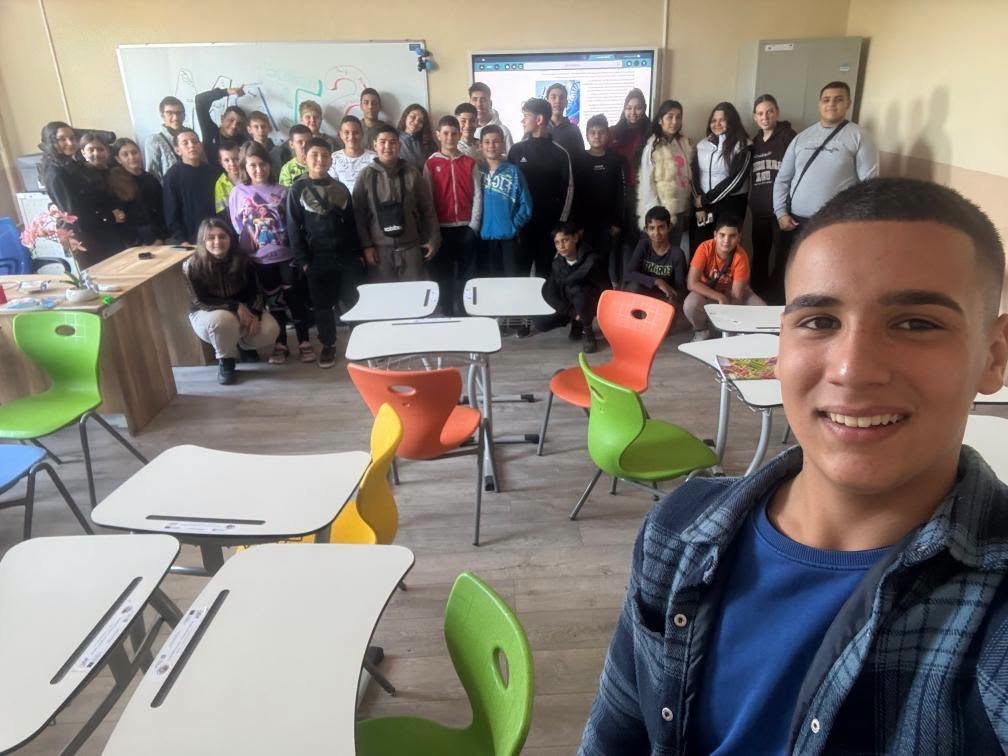
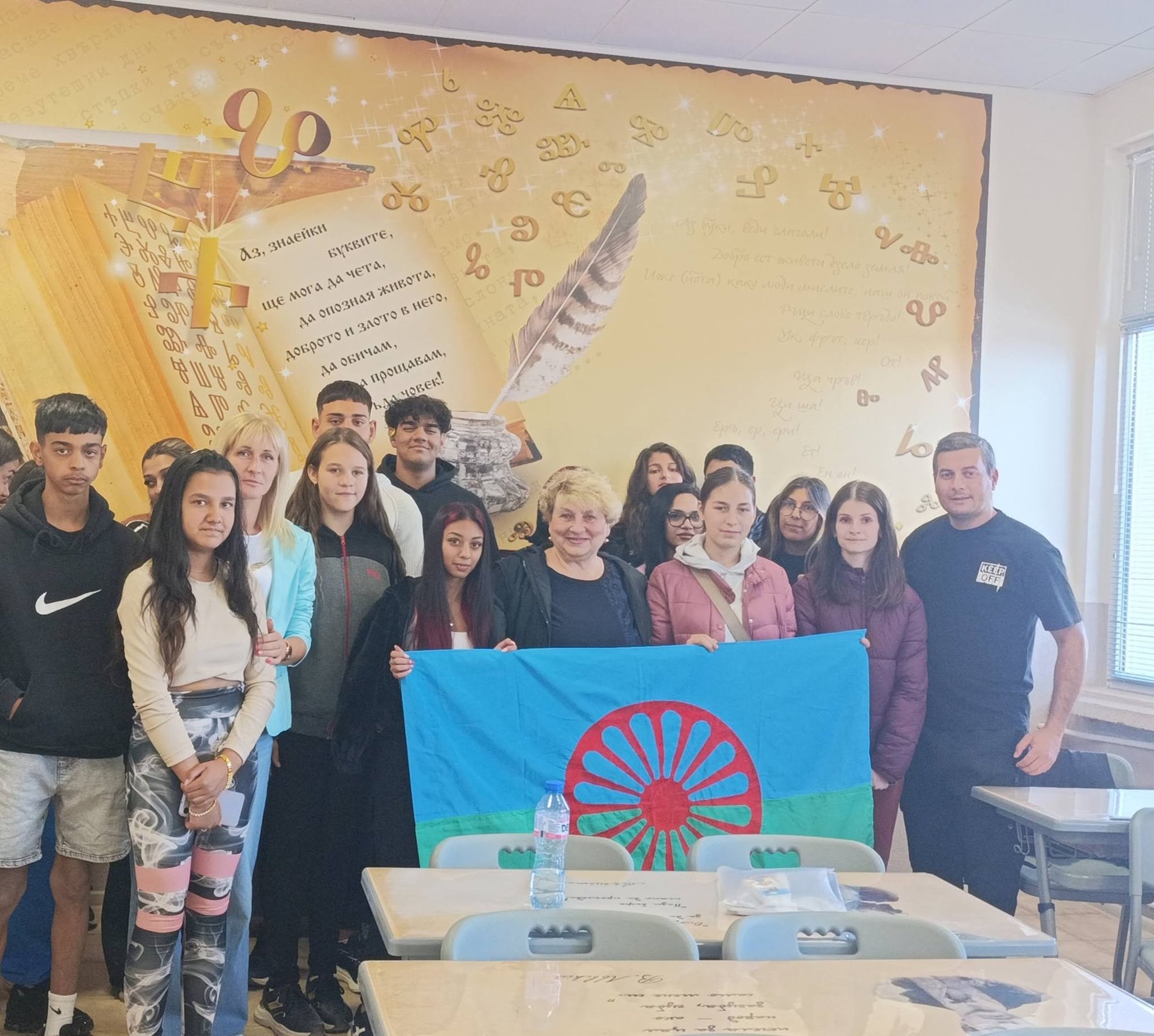
Personal stories played an important role. On 7 October, more than 30 tenth-grade students at the Vocational High School of Agriculture in Targovishte met Silvia Stancheva, Amalipe’s regional coordinator. She introduced prominent Roma figures from different countries and shared her own journey. An open discussion followed about identity, ambitions and the opportunities that education, discipline and hard work offer young people.
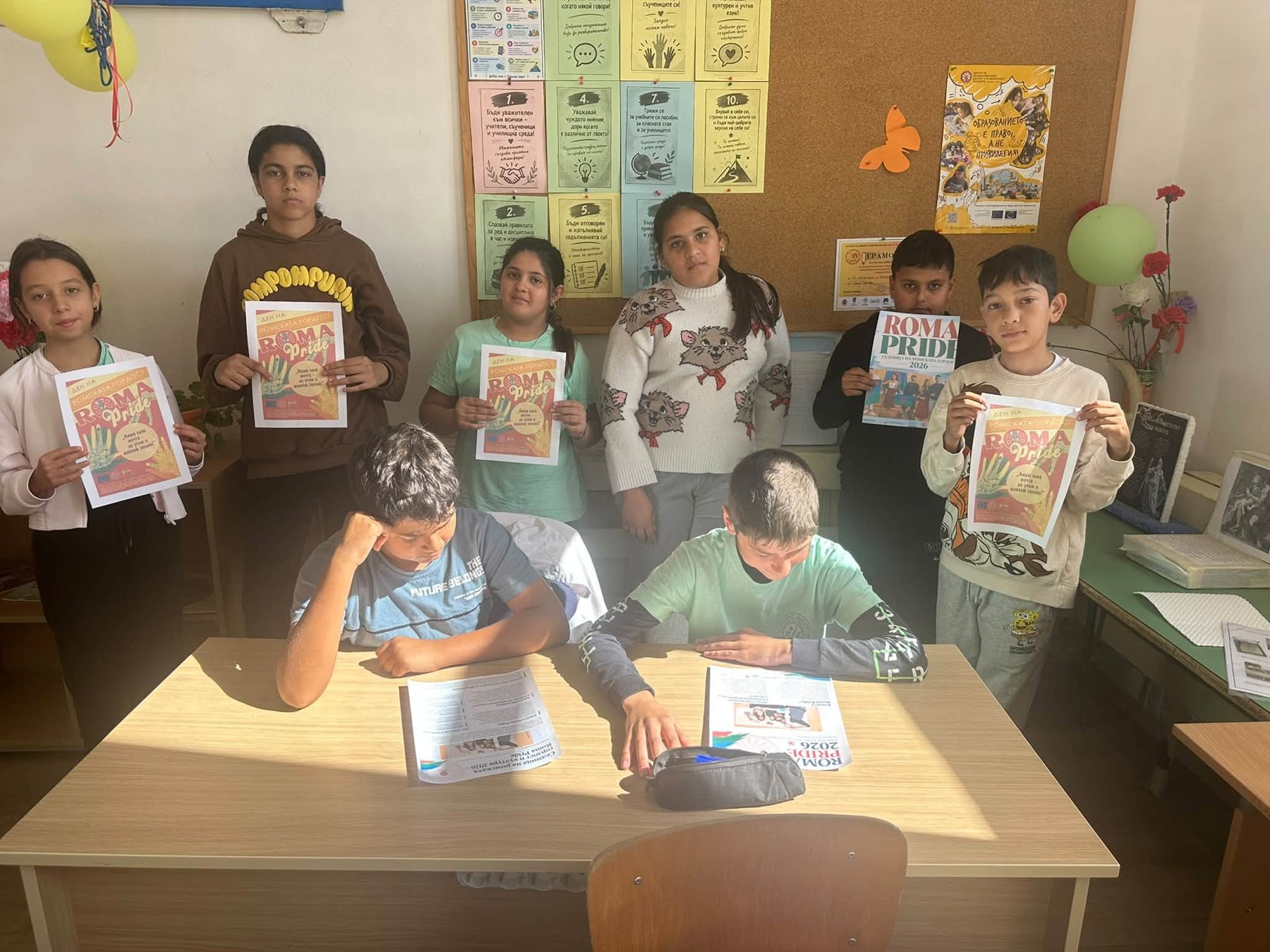
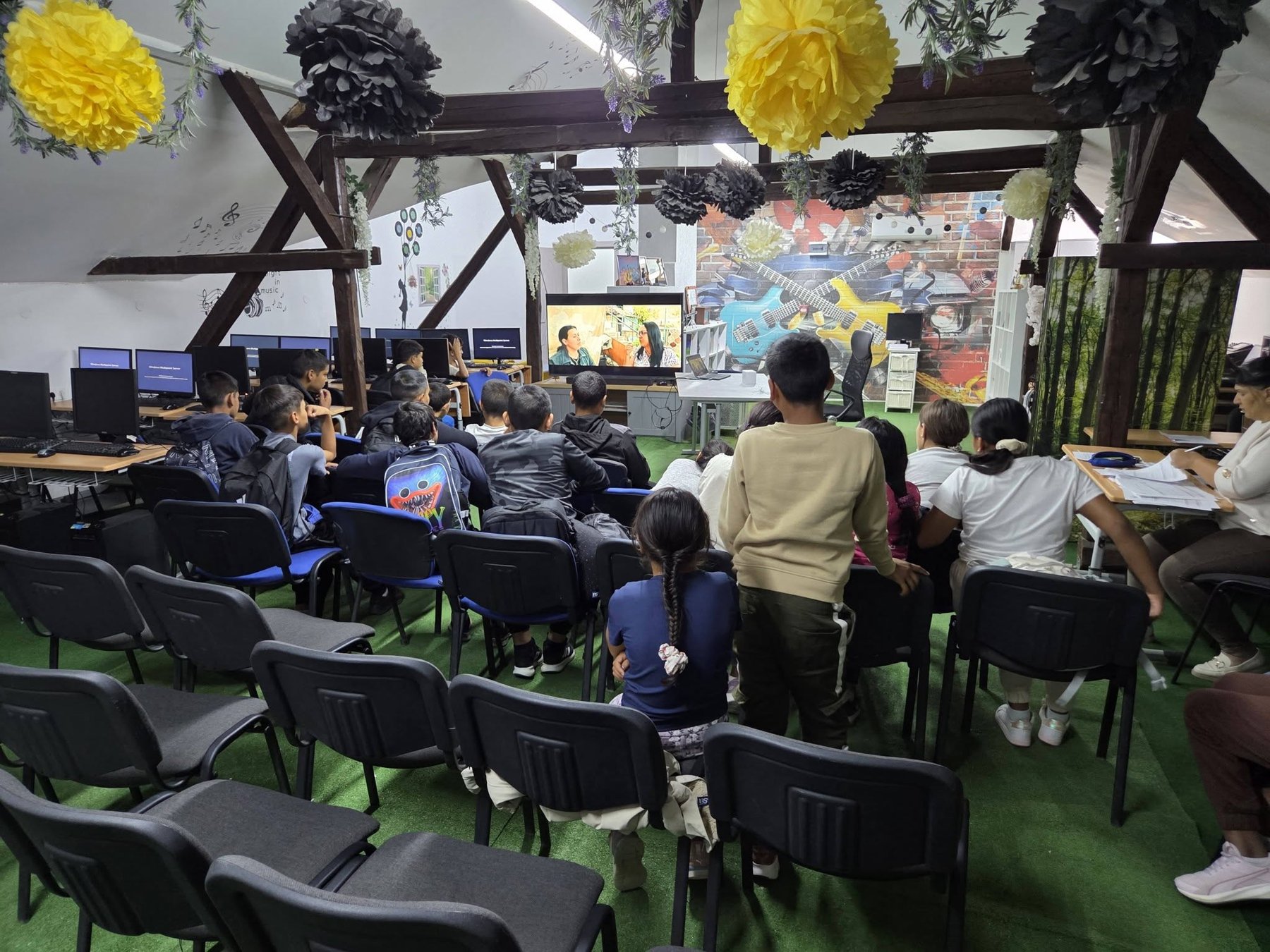
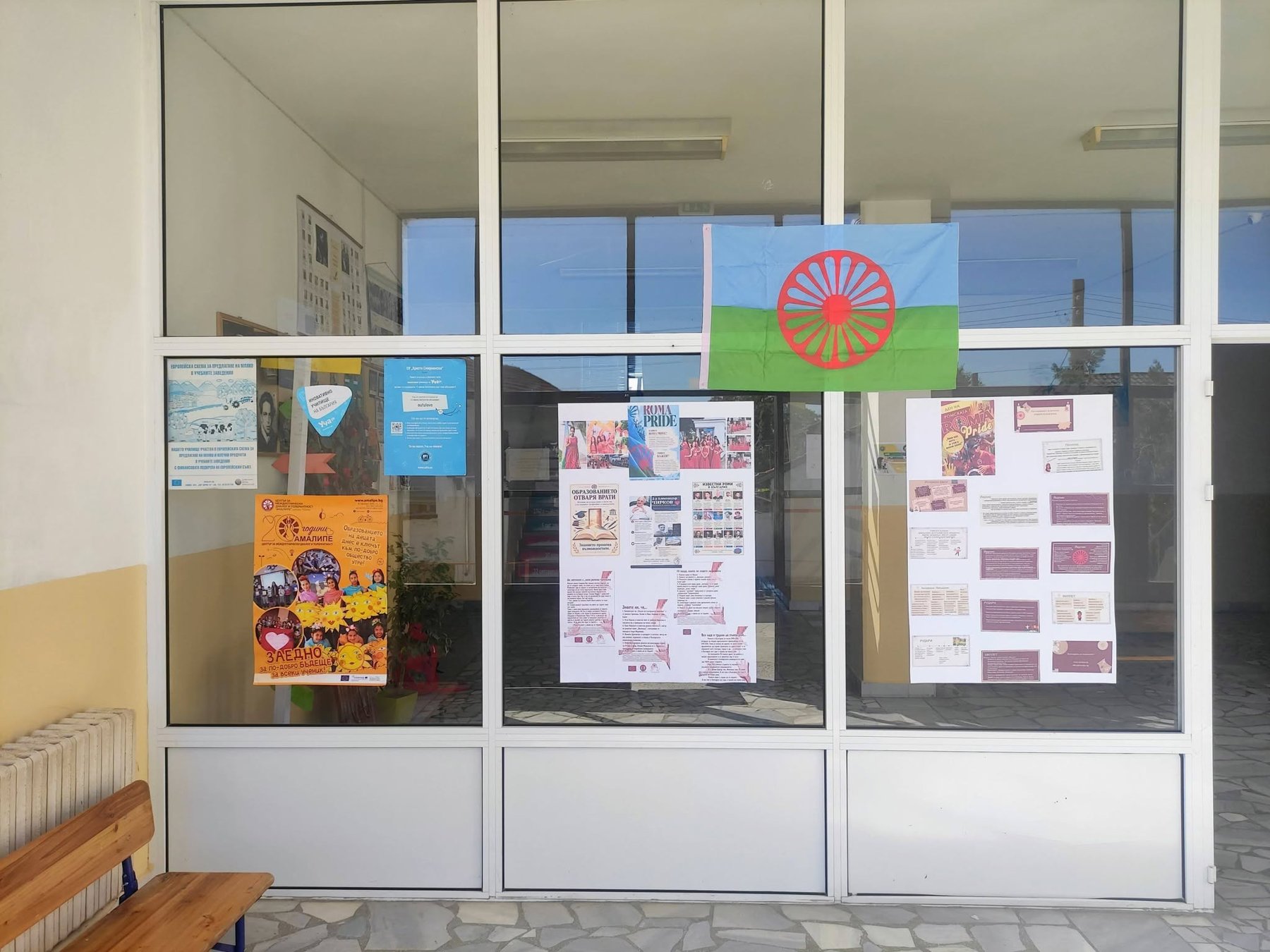
At the Vocational High School of Light Industry in Montana, poet Ata Becheva shared her poetry and life story, connecting literature with identity, stereotypes and coexistence between ethnic communities. In Topolovgrad, students created an information board and discussed well-known Roma personalities. In Kukorevo, fifth-graders learned about Roma Pride and the Roma flag and watched A Limited Life, featuring Ivelin Ivanov.
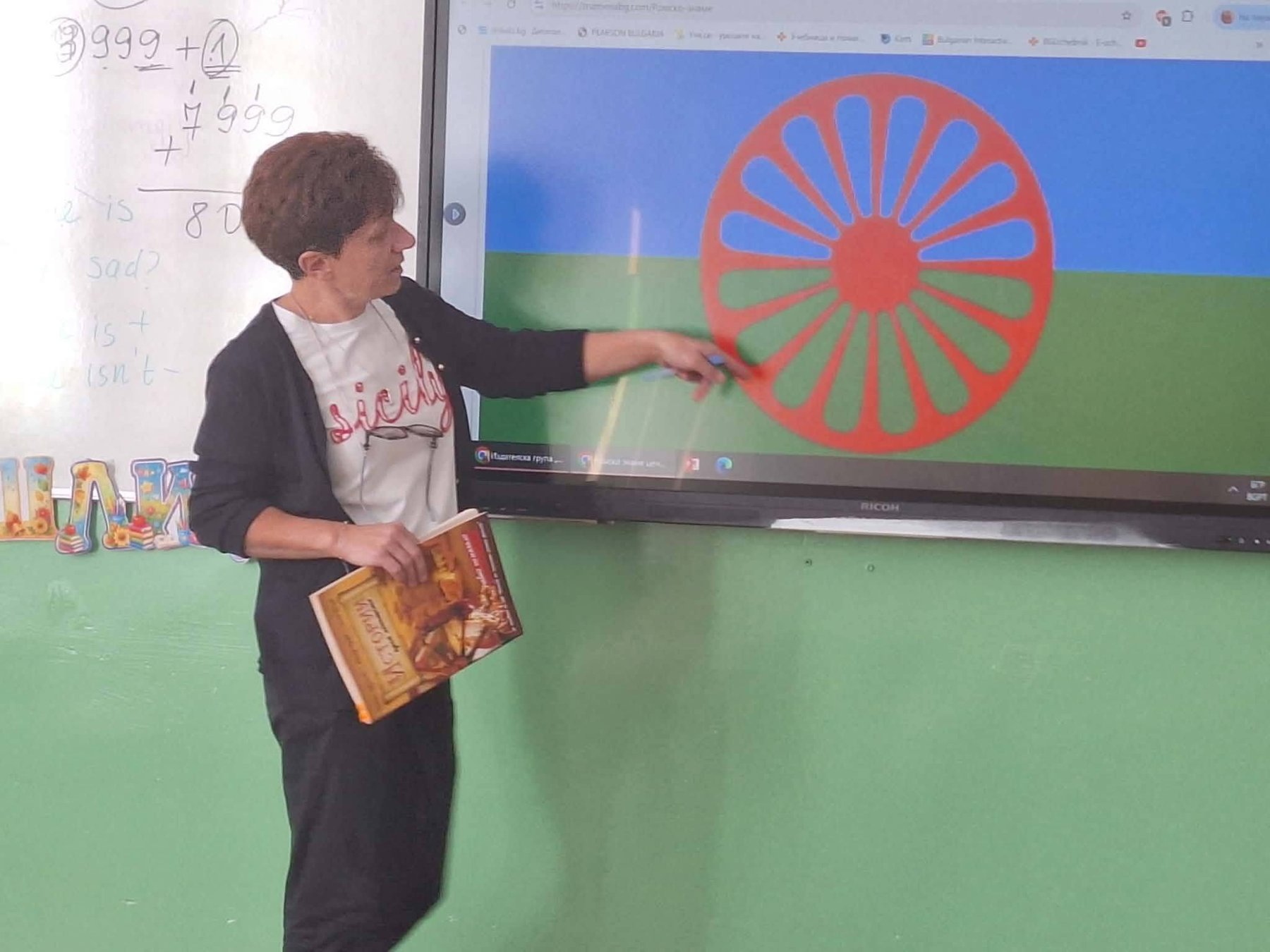
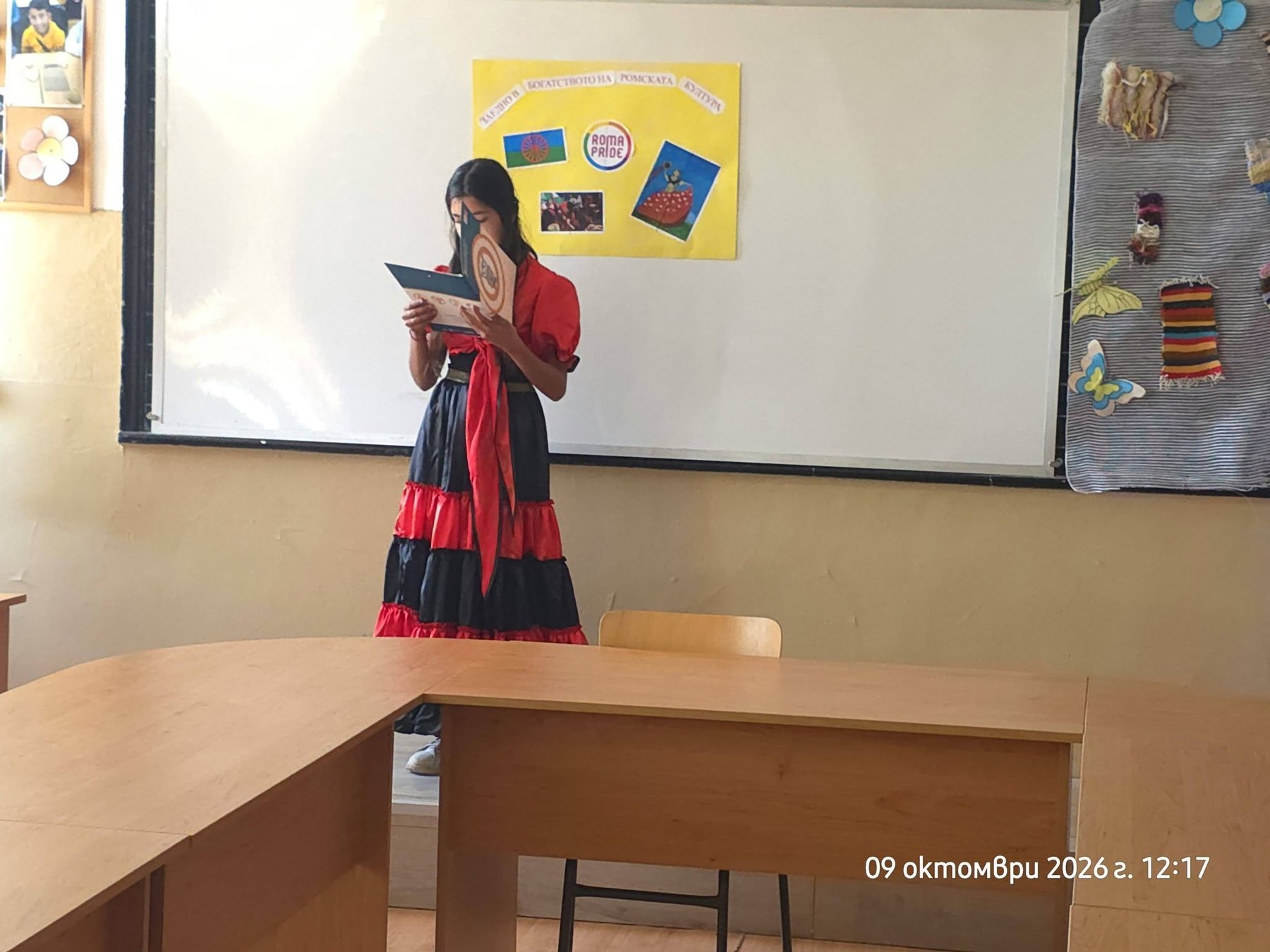
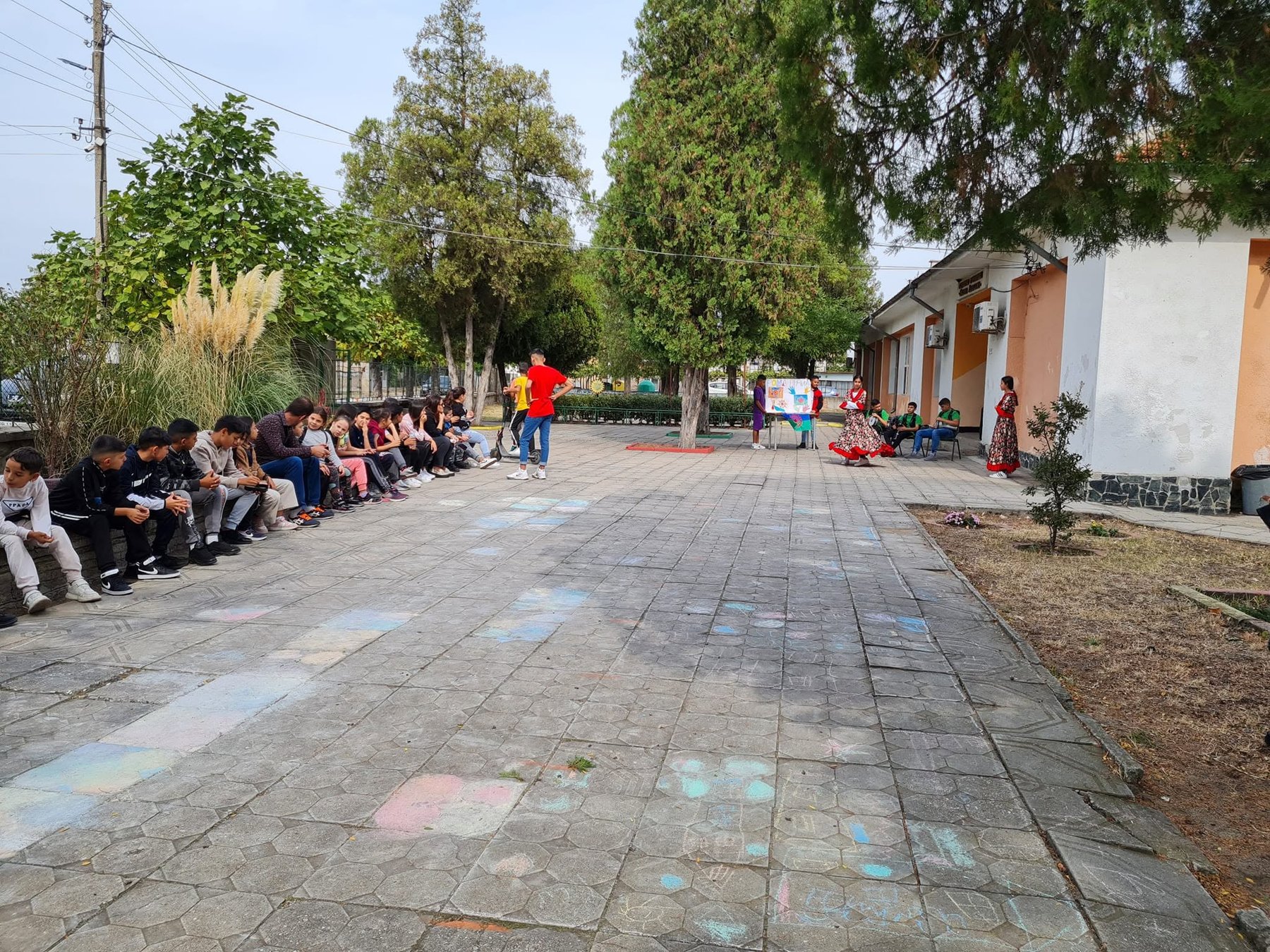
Cultural heritage came alive through exhibitions, music and dance. At Vasil Levski Primary School in Karadzhovo, students and mediators presented books, materials about Roma history, Romani words and paintings depicting everyday life and celebrations. Drawings and displays complemented a concert of music and dance. Pernik focused on musical folklore, while Rumyantsevo celebrated through songs and dancing. Children in Snezhina performed a short play and dances. In Yakoruda, students prepared The Legend of the Roma, while Brusartsi combined poetry, messages and dance.
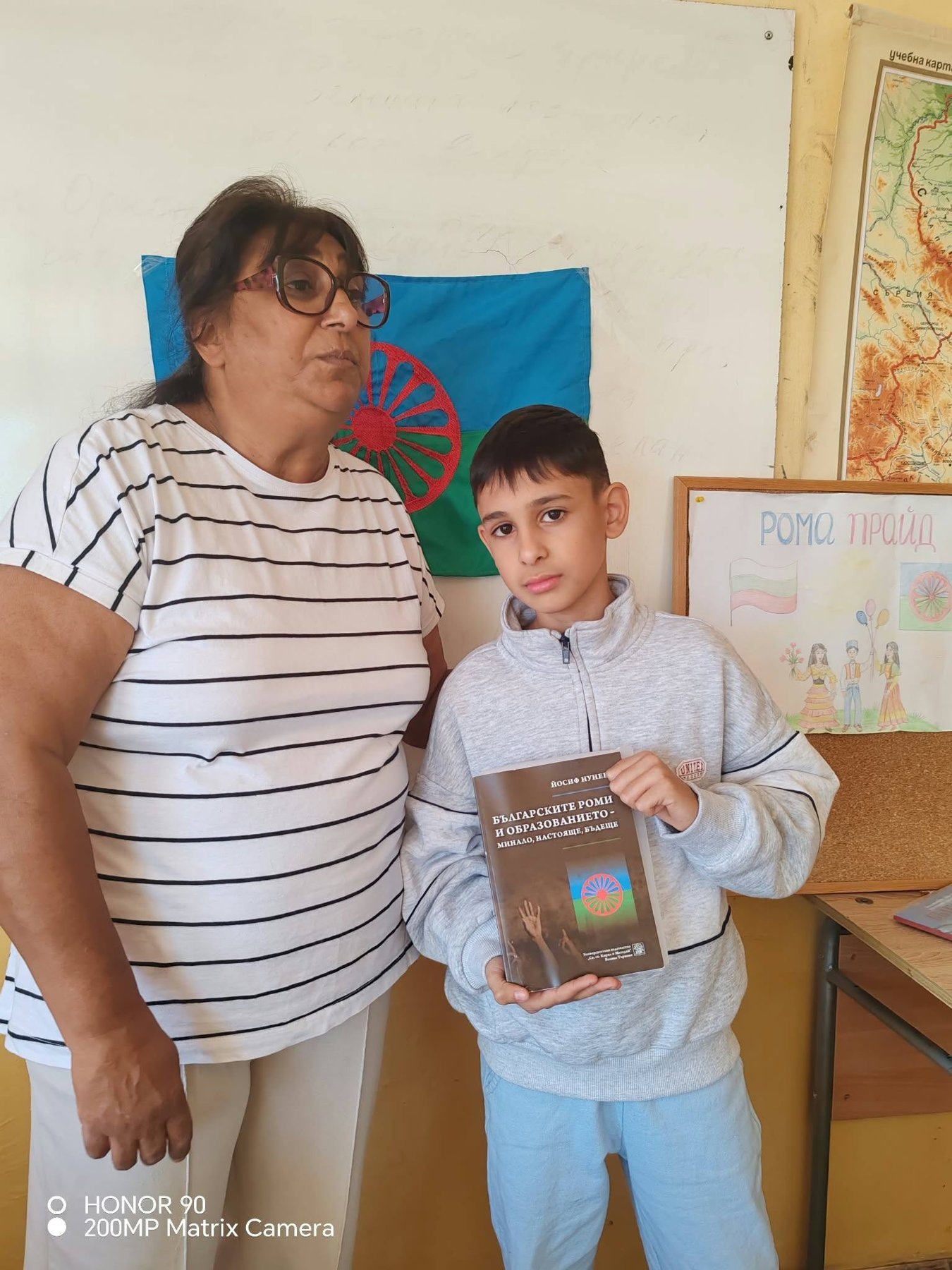
Stories, books and symbols offered further ways to explore history. Students in Tarnicheni read and retold Roma tales and legends. In Dobrolevo, they created a three-dimensional model of the flag and read works by Roma authors. Stefan Karadzha in Dobrich Province marked the campaign with reading and a photo session. In the village of the same name in Valchi Dol Municipality, students discussed cultural diversity and explored traditional Roma clothing. In Medkovets, a presentation about Roma origins and groups was combined with Bahar’s story and games.
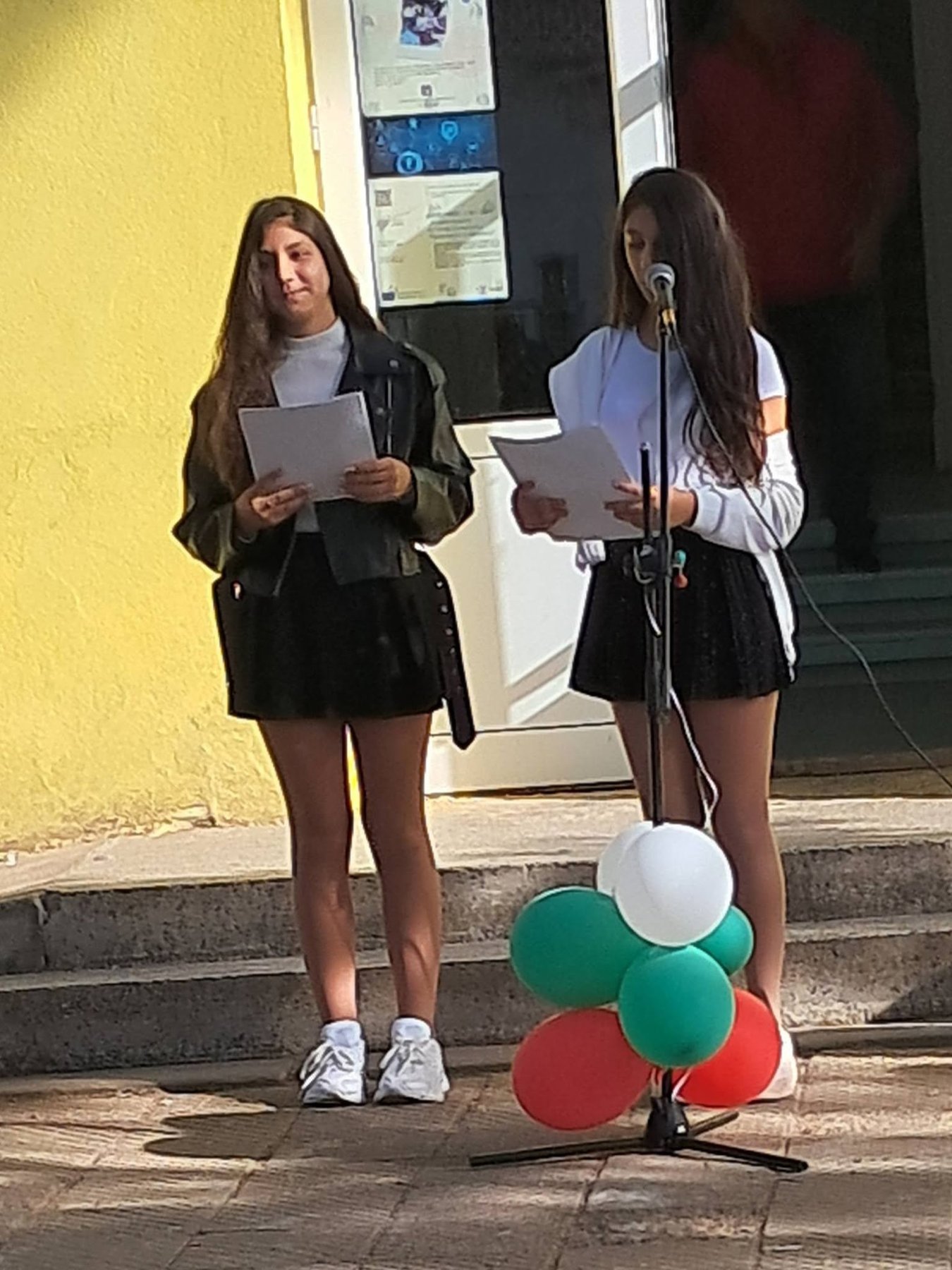
Creative activities helped children express what they had learned. In Ustrem, they made an appliqué entitled “Who Are the Roma? Everyday Life,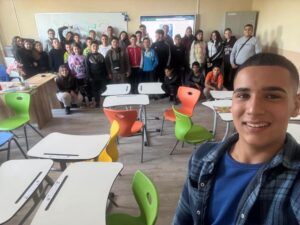 Culture and Traditions”, while in Gradishte they drew the Roma flag. Children in Byala Reka created drawings and a display and wrote positive messages on balloons. Fourth-graders in Selanovtsi listened to “Djelem, Djelem”, coloured the flag and added personal values to its wheel. Rakovitsa contributed drawing activities and a discussion about diversity, while Tulovo held a school initiative documented in photographs on the shared map.
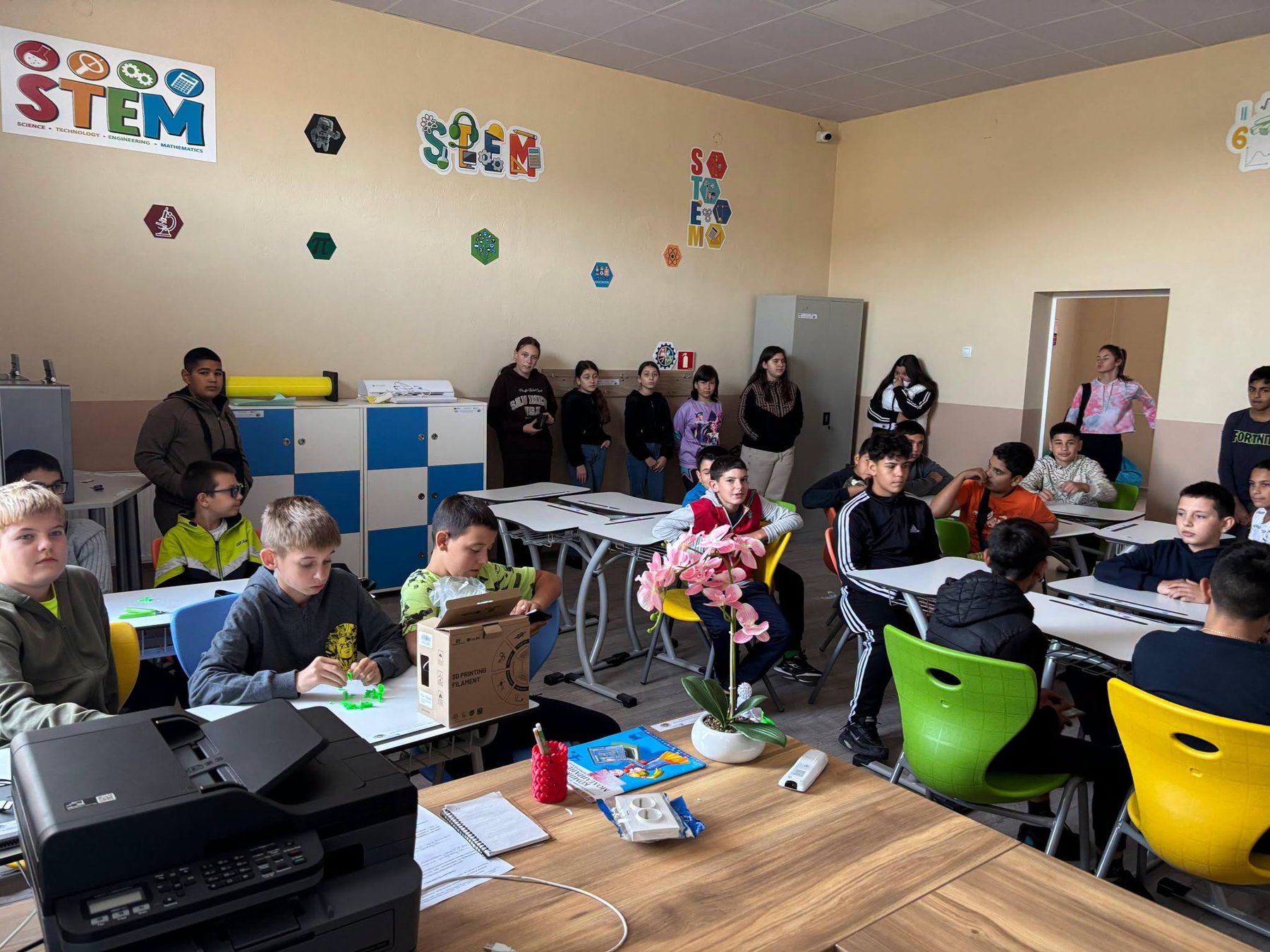
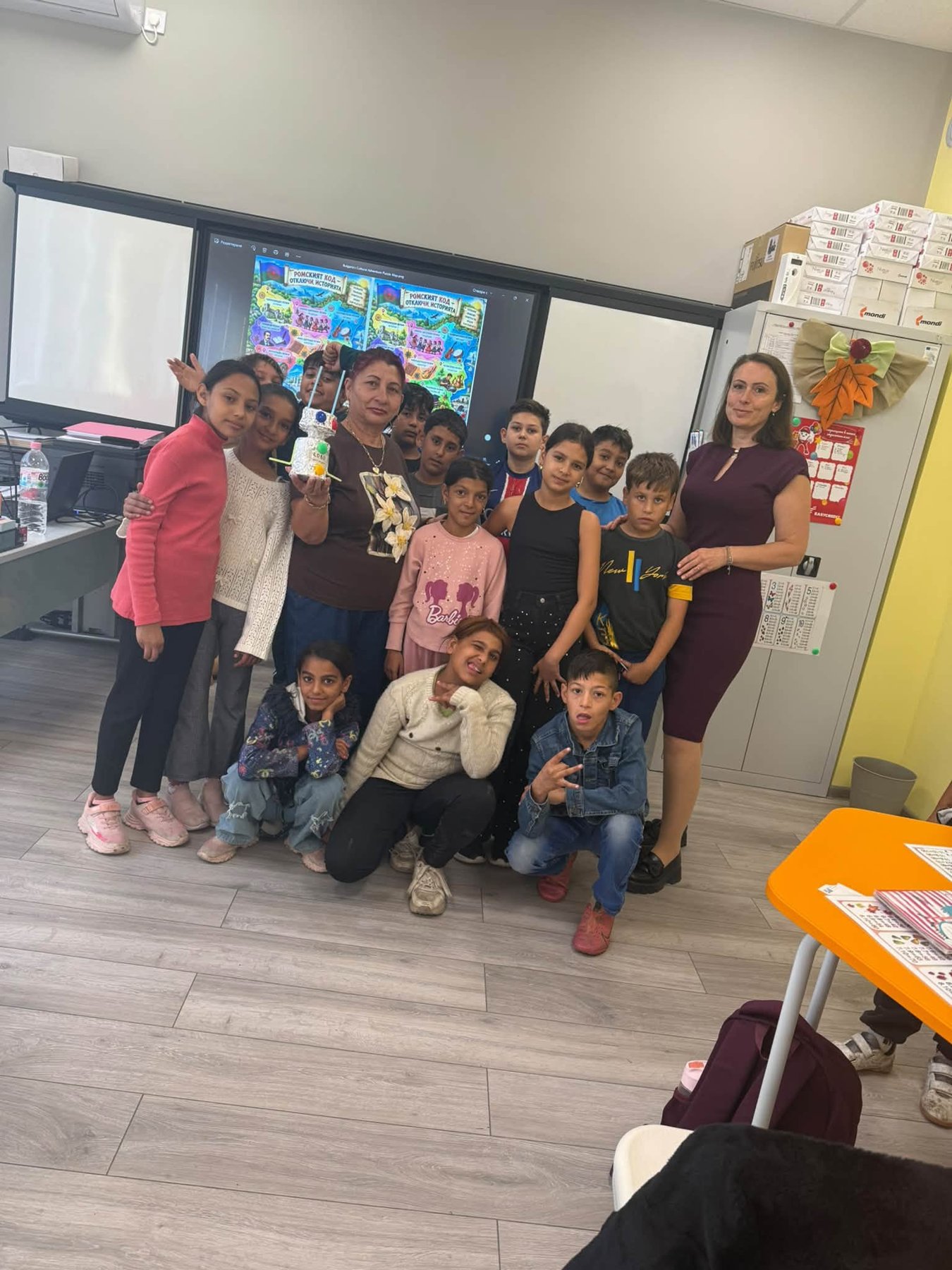
Technology and student journalism also featured. In Kamen, Sliven Municipality, flashcards, a puzzle and a robot navigating towards QR codes helped students discover facts about Roma culture. In Krushovitsa, student reporters and the educational mediator created “Roma TV — The Voice That Is Heard”, with segments on culture, successful young people and connections between past and present.
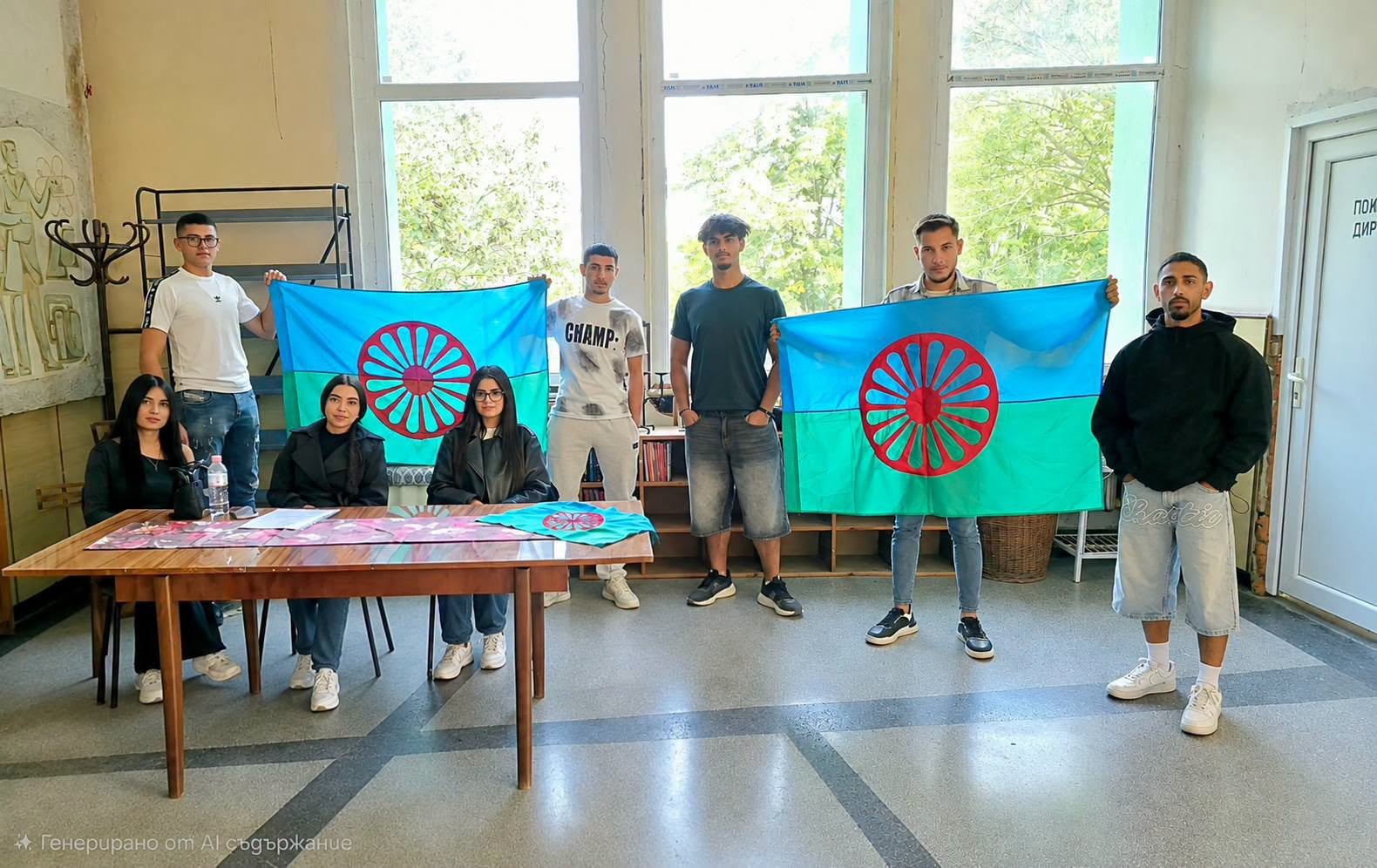
Education and respect linked meetings with parents and students in Snezhina and Todor Ikonomovo and activities in Malo Konare and Staro Oryahovo. In Shumen, the Vocational High School of Agriculture and Food Technologies held “Different Traditions — One Respect”. Students at Trayko Simeonov Secondary School and the school community in Omurtag shared messages of acceptance and equality. In Galiche, the student council organised a session on Roma history and equal opportunities. Maglizh and Septemvri also highlighted dignity and belonging.
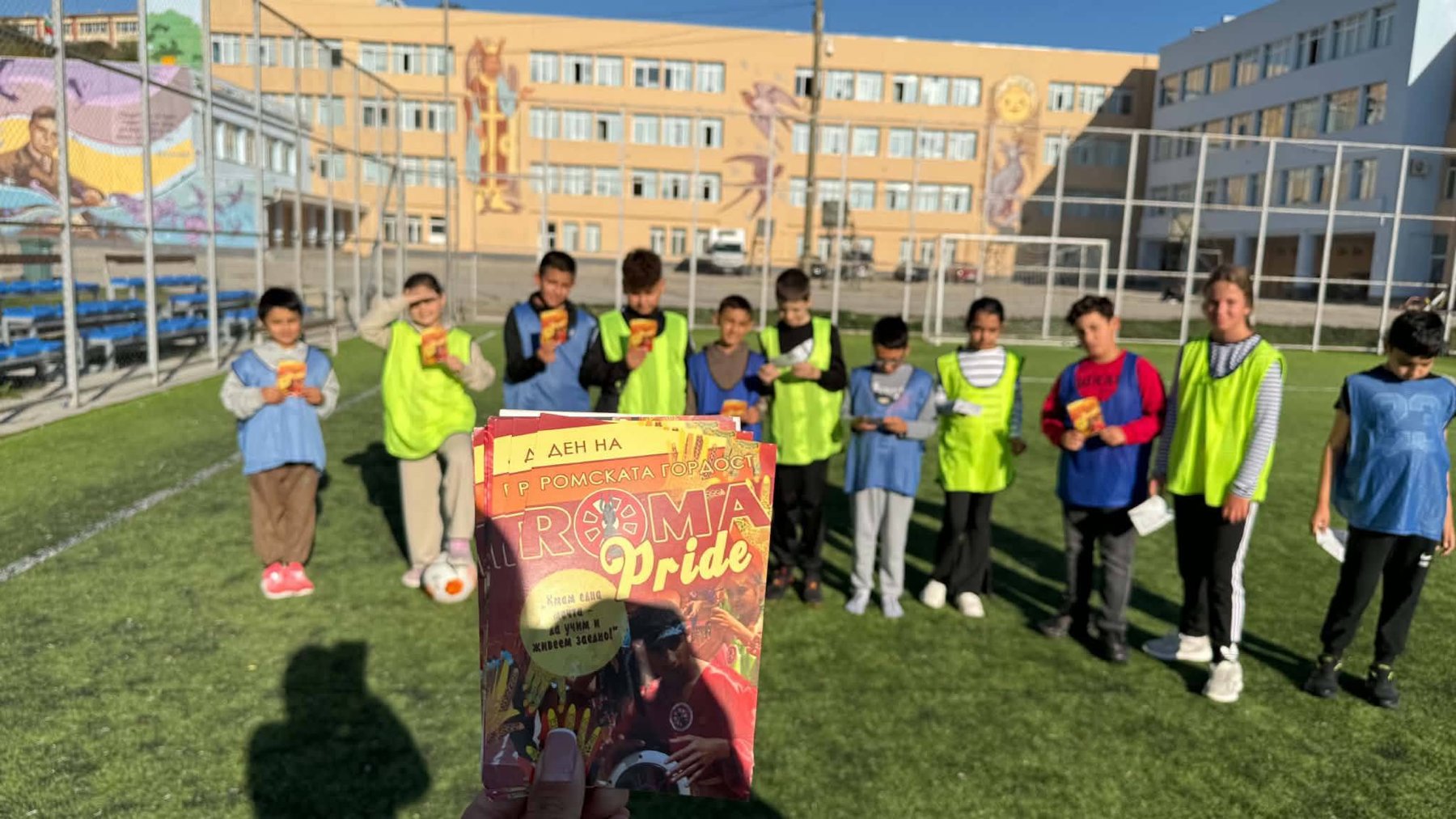
In Byala, Ruse Province, discussions addressed school aggression and choosing education over early marriage. In Gradets, students explored early marriage through games, stories of successful Roma and the film Stolen Childhood. Strazhitsa brought children together on the football pitch, while Kamen in Strazhitsa Municipality and Asenovo also marked the campaign. In Blagoevgrad, children from the “Vesela Druzhina” and “Patilantsi” kindergarten groups participated.
These varied activities shared one message: understanding our roots and respecting others can go hand in hand. Stories and photographs from the local initiatives are gathered on the campaign map:
Explore the Roma Pride 2026 interactive map and initiatives across Bulgaria
The campaign is part of the GLAS project, supported by the Swiss-Bulgarian Cooperation Programme through the Civic Engagement and Transparency Facility 2024–2029. The views expressed are those of the authors and do not necessarily represent the positions of the governments of Switzerland and Bulgaria.