Join the Student Ombudsman Campaign
Freedom is not just a document or a single day marked on the calendar. Freedom is what we give to the children and students we work with – the motivation to pursue their dreams, the confidence not to give up and to stand up for themselves, and the readiness to take responsibility for their actions. These are the future active citizens of Bulgaria. This is also the main goal of the Student Ombudsman Campaign, which Center Amalipe has been developing for the past three years.
The initiative we launched three years ago has proven to be highly successful. Dozens of schools from across the country have already joined the campaign. A special ceremony was organized for the elected ombudsmen to present their certificates in the Granite Hall of the Council of Ministers, where they were welcomed by the Prime Minister at the time, Acad. Nikolay Denkov, along with ministers, ambassadors, and other distinguished guests.
We also organized training sessions for the student ombudsmen, a visit to the Office of the National Ombudsman, and a number of other events.
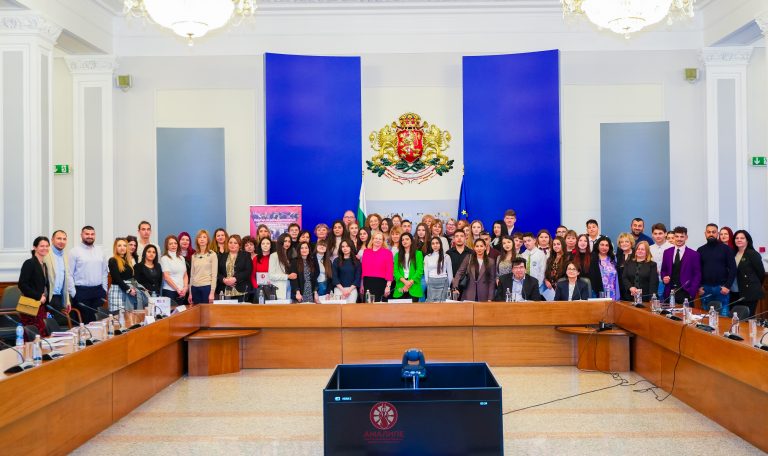
This year, we aim to engage even more schools in order to encourage student leadership and support students in their role as defenders of their classmates’ rights through the Student Ombudsman Election Campaign. Achieving this goal will be supported by the VOICE Project, funded by the Swiss-Bulgarian Cooperation Programme, Civil Engagement and Transparency Mechanism (CETM) 2024–2029. In this project, Center Amalipe participates together with Teach for Bulgaria Foundation, BCause Foundation, Sofia Platform Foundation, and Verein Voty (Switzerland).
To take part in the activities of the program, please complete the application here.
What Is a Student Ombudsman?
The idea of a student ombudsman gives students the opportunity to become active participants in school life by having a representative who defends their rights and interests before the school administration. The ombudsman is elected by the students themselves and is responsible for addressing problems related to injustices or conflicts affecting students.
You can see the success of the campaign during previous school years HERE.
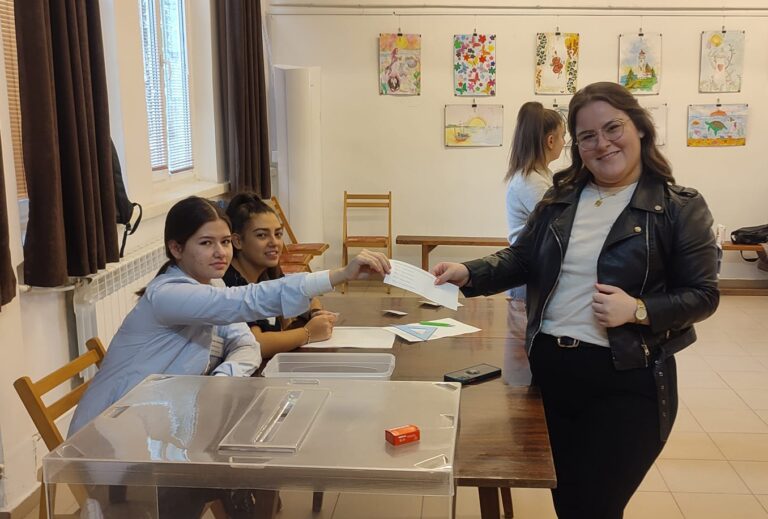
Over the past school years, we have seen how the role of student ombudsmen has become an important element of the school environment. Many students felt more confident sharing their concerns, while ombudsmen had the real opportunity to address issues such as bullying, misunderstandings between students, tensions, conflicts between students and teachers, and administrative challenges.
The achievements of the previous year inspire us to further develop the campaign and involve more schools during the current school year.
Here is part of the feedback shared by some of the student ombudsmen about their experience:
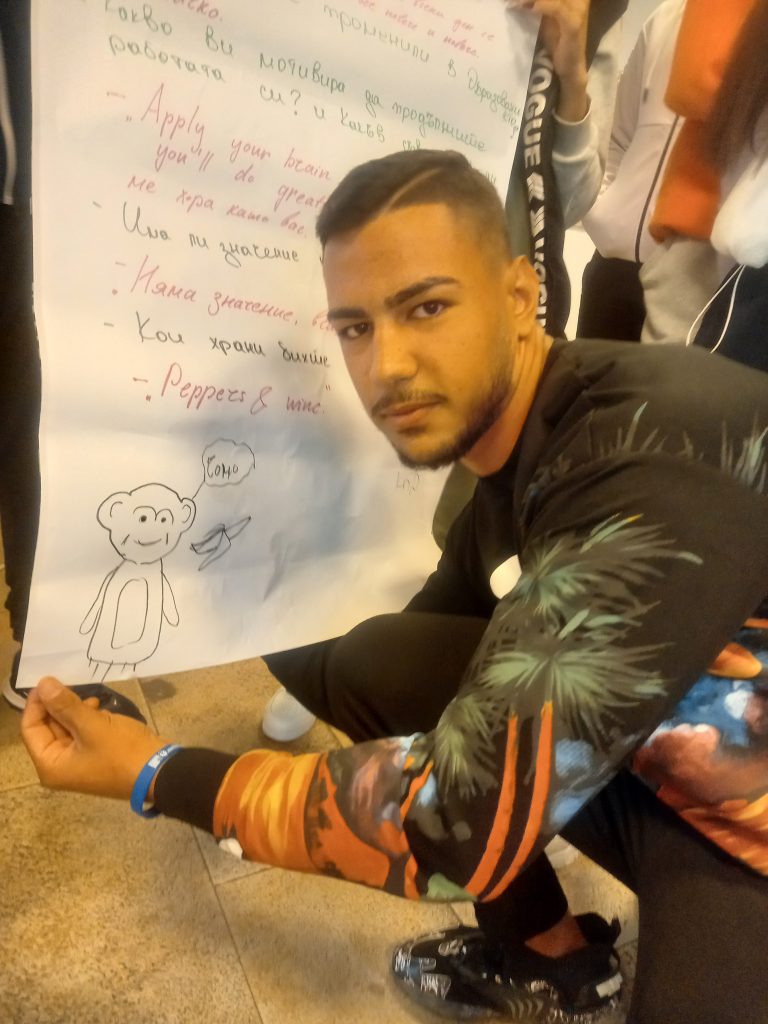
“The most positive thing for me as an ombudsman is the relationship I build with students and teachers and the trust they place in me. The most difficult part is connected to that same thing – trust is hard to build.”
“For me, the most positive thing was that I managed to help. The most difficult part was solving the problems.”
“What affected me positively was the satisfaction from every completed activity. The most difficult thing is motivating my classmates.”
How Can Schools Elect Their Student Ombudsman?
If your school is about to elect a student ombudsman for the first time, we have prepared guidelines to help you go through the process step by step. These include nomination criteria, the election process, and the main responsibilities of the ombudsman.
Nomination Criteria
Suitable candidates are students from 7th to 12th grade who are active, responsible, and willing to help their classmates. They should set a positive example through their behavior, be trusted by other students, and not participate in acts of violence or aggression.
Election Campaign
A nomination process is organized in which only students can nominate candidates. Candidates may run their own campaign through presentations, posters, meetings with classmates, and other activities.
Election Process
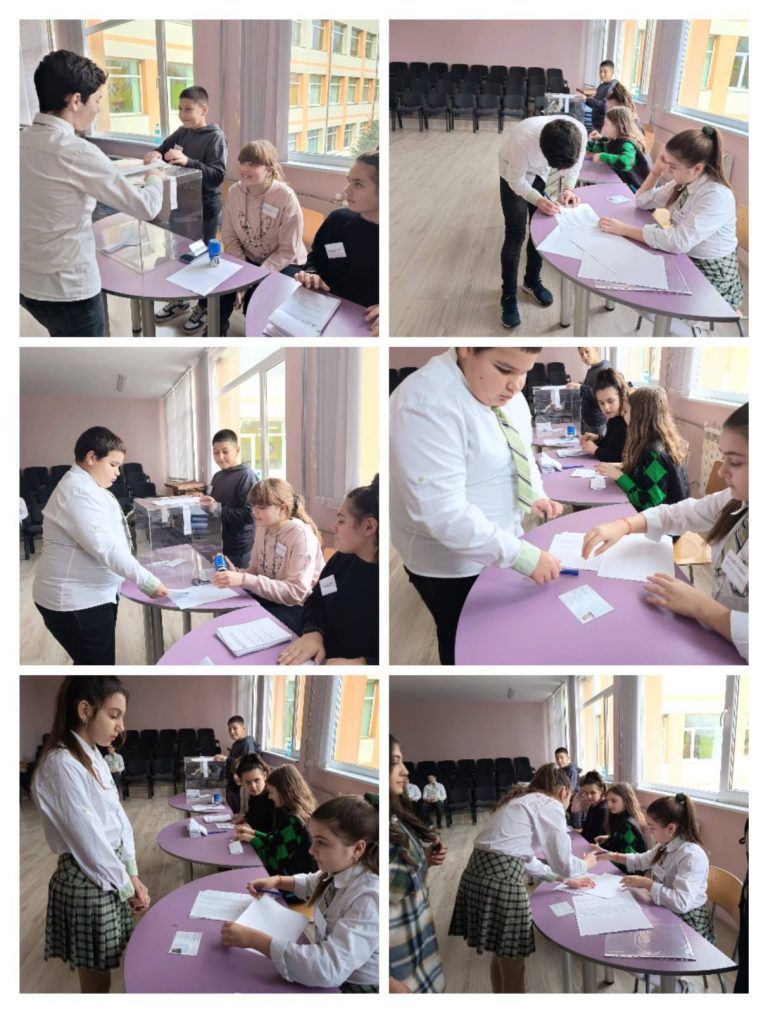
The school organizes a secret ballot. Only students have the right to vote. A commission is formed to manage the election process. Members of the school leadership and the teaching staff act as observers and guarantee transparency.
Role of the Ombudsman
The elected student represents their classmates and works closely with the school administration.
Work Plan
After being elected, the ombudsman prepares a plan for their activities until the end of the school year.
Main Activities of the Student Ombudsman
1. Receiving and Reviewing Complaints
Individual Complaints
These may include:
• Reports of bullying (including online bullying)
• Complaints about unfair treatment
• Violations of school rules
• Conflicts between students
• Conflicts between students and teachers (through dialogue and mediation)
The ombudsman does not pass judgments or impose punishments. Instead, they listen, document the case, seek solutions through dialogue and mediation, and, if necessary, inform the school administration.
Anonymous Complaint Box
This helps create a sense of safety and trust and may include:
• A physical complaint box at school
• An online form for submitting signals
• A regular schedule for reviewing and responding

2. Mediation and Conflict Resolution
The ombudsman may:
• Mediate conflicts between students
• Participate in restorative conversations
• Support agreements between the parties involved
This helps prevent escalation and promotes restorative justice.
3. Participation in School Committees
Depending on the school regulations, the ombudsman may:
• Participate in the Anti-Bullying Committee
• Be an observer in teachers’ councils when student issues are discussed
• Participate in the development of school policies
This gives institutional weight to the role.
4. Monitoring Students’ Rights
The ombudsman may:
• Conduct surveys among students about the school climate
• Analyze areas of concern such as lateness, punishments, or hate speech
• Provide recommendations to the school administration.
5. Awareness Campaigns
The ombudsman does not work only reactively. They may organize initiatives such as:
• “I Know My Rights” campaign
• Student Rights Day
• Anti-bullying trainings
• Discussions on online safety
• Meetings with the National Ombudsman or experts.
6. Supporting Vulnerable Students
The ombudsman may serve as a first point of contact for students who are afraid to speak up, help include students with special educational needs or from minority groups, and cooperate with the student parliament and mentors.
7. Participation in School Policy Development
The ombudsman may participate in:
• Discussions on changes in the Internal School Regulations
• The development of a student code of conduct
• Creating rules for student elections and representation.
This ensures that rules are created with students, not only for students.
8. Annual Report and Transparency
The ombudsman presents an annual report to the student community summarizing:
• The number and types of cases addressed (without personal data)
• Recommendations for improvement.
This maintains transparency and legitimacy.
9. Cooperation with Parents and External Institutions
In some cases, the ombudsman may help strengthen communication with parents (in cooperation with educational mediators and teachers) and work with external institutions to protect students’ interests. They may:
• Participate in meetings with parent clubs
• Support dialogue in conflict situations
• Encourage joint initiatives between students, school, and families
• Seek consultation from the National Ombudsman
• Participate in networks of student ombudsmen
What the Student Ombudsman Is NOT
The ombudsman:
• Does not impose punishments
• Does not replace the school principal or the pedagogical council
• Does not independently review disciplinary cases
• Does not share personal information
The ombudsman is a mediator, not a judge.
Conclusion
The activities of the student ombudsman can be diverse, but their essence is the same: to ensure that in every school there is a place where a student can be heard. When this role functions effectively, the school becomes more just, more transparent, and more humane.
And where there is justice, there is trust.
And where there is trust – there is community.
More detailed information about the process can be found here.
You can download the presentation about the Student Ombudsman Campaign here.
Share Your Experience With Us
We look forward to hearing how the campaign develops in your school. If you have already elected a student ombudsman or plan to do so, we would be happy to receive your stories and feedback.
Submit your successes HERE – they will inspire other schools to join the initiative.