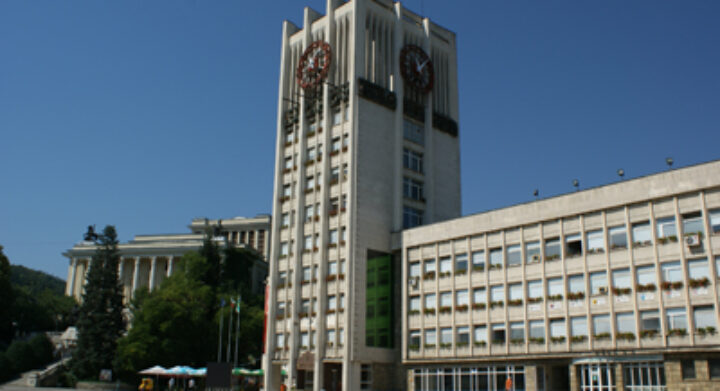
And this spring, Gabrovo made national news—not because of the ritual cutting of a cat’s tail, something that will take place later this week during the traditional Gabrovo Carnival, but because yet another domestic conflict involving Roma was once again transformed into an interethnic one. What actually happened in Gabrovo? Hardly anyone can give a […]
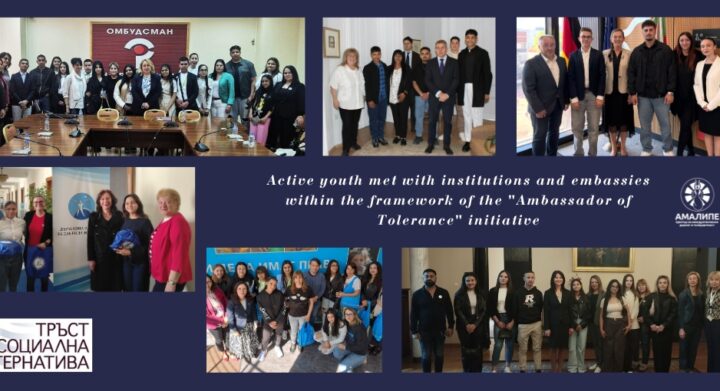
On May 14, 2026, the student ombudsmen and the award-winning students from the national student competition “Marriage can wait, education can’t”, organized by the Amalipe Center, visited a number of key institutions and diplomatic missions in Sofia. Within the framework of the initiative, young people had the opportunity to meet with representatives of the Embassies […]
“There are two important things. Two things that can bring happiness and security. But one should not precede the other. One is marriage. The other is education. And that is why we say: “Marriage can wait, education can’t!” With these words, the solemn ceremony of awarding the winners of the national student competition “Marriage can […]
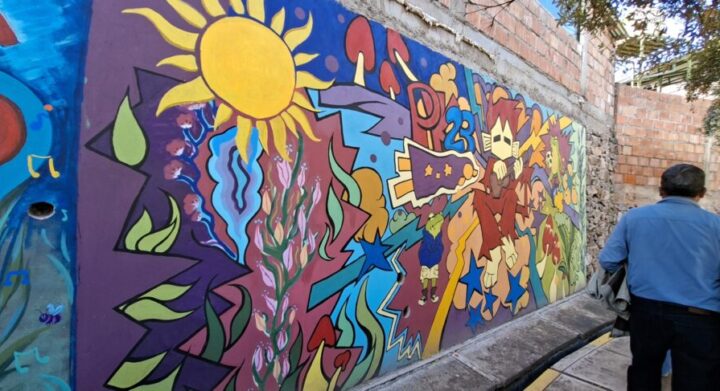
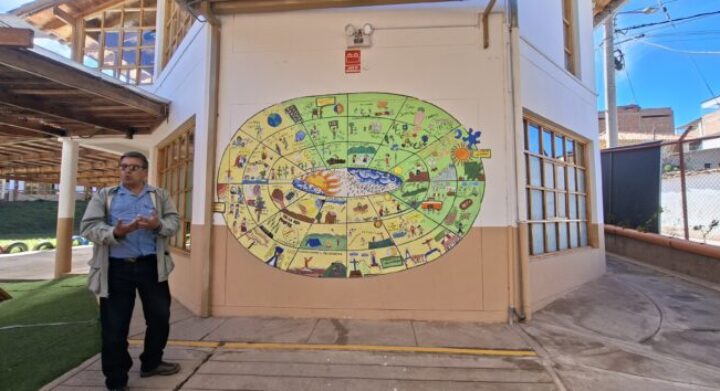
En Perú hay 26 000 escuelas interculturales bilingües, lo que supone el 32 % de las instituciones educativas del país. ¿En qué consisten, cómo las apoya el Estado, por qué en algunas partes de Perú son las instituciones educativas predominantes, mientras que en otras están totalmente ausentes…? ¿Qué es la educación intercultural bilingüe? Características del […]
Guiados por la convicción de que la educación intercultural y cívica debe ser la base de todo sistema educativo, así como que los distintos países pueden ofrecer diferentes enfoques y buenas prácticas al respecto, nos dirigimos a dos de los países latinoamericanos que cuentan con una amplia experiencia en este ámbito: Perú y México. ¿Por […]
On May 13, 2026, at 4:30 p.m., the solemn award ceremony for the winners of the student competition “Marriage Can Wait, Education Can’t” will be held at the Park Hotel “Moscow” in Sofia, in which over 240 students of different ages, ethnicities and settlements from all over the country took part. The materials received – […]
Driven by the belief that intercultural and civic education (we view them as a unified concept, not just because of Standard 13) should be the foundation of every educational system, and that different countries can offer diverse approaches and best practices for it, we set out for two Latin American countries with extensive experience in […]
There are 26,000 intercultural bilingual schools in Peru, accounting for 32% of the country’s educational institutions. What are they, how does the government support them, why are they the predominant educational institutions in some parts of Peru while completely absent in others…? What is Inter-cultural Bilingual Education? Characteristics of the model. The model is implemented […]
On May 4, 2026, a joint meeting was held in the village of Kamen between students and parents from settlements in the municipality of Strazhitsa – the village of Asenovo, the town of Strazhitsa and the village of Kamen. The initiative was hosted by the Secondary School “St. Kliment Ohridski” – Kamen village, where the […]
Today at the Vocational High School in the village of Gradnitsa was not just another official visit. Yes, there was a regional governor in the hall, there was a program, there was a tie – the one that usually stands as a symbol of the institution, of distance, of the “official”. But today it seemed […]